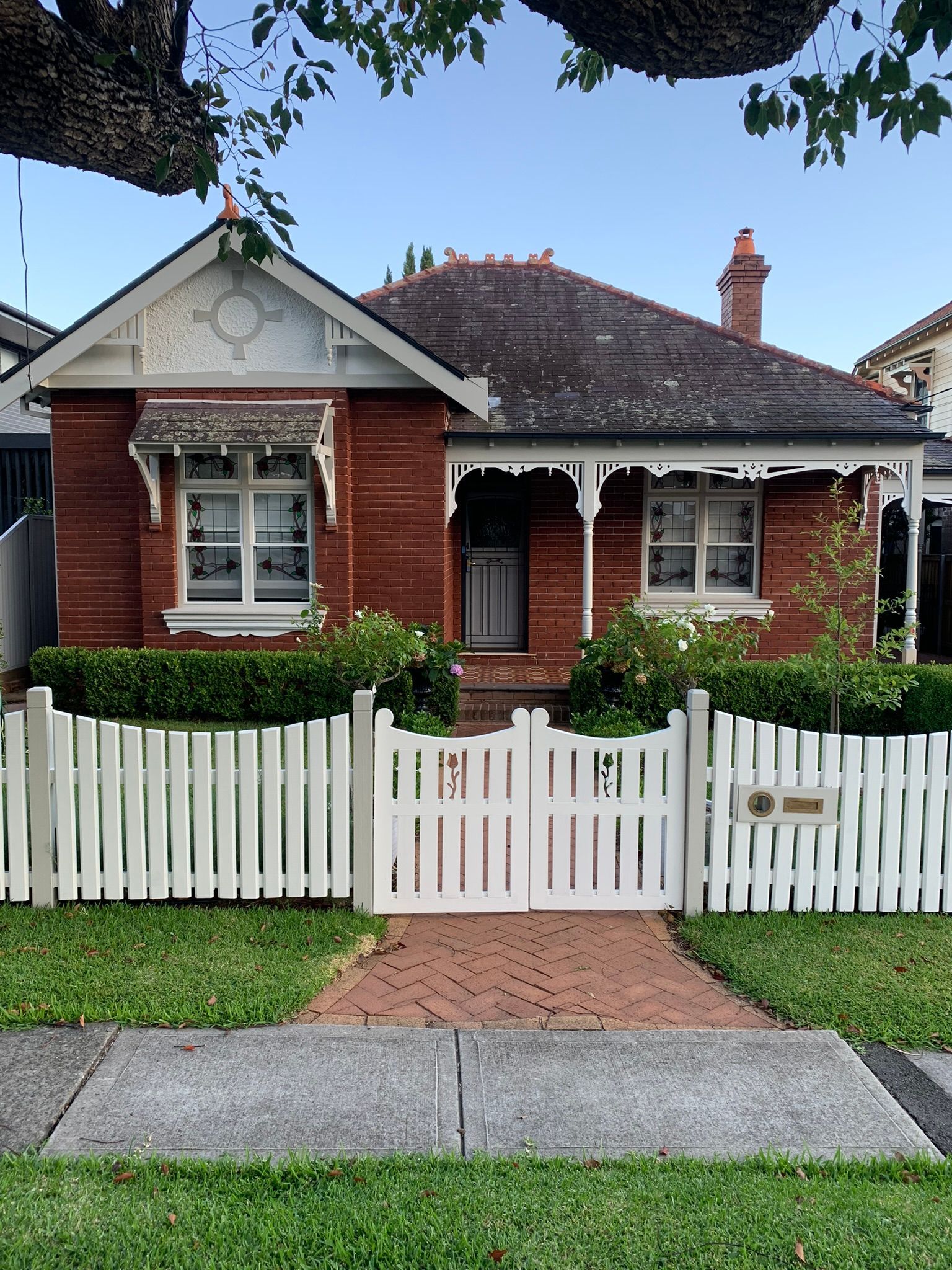
Can Tuckpointing Be Done in Winter? Here's What the Pros Say
As the cooler months settle over Sydney, plenty of homeowners look at their fretting mortar joints and assume the work has to wait until spring. It is a fair assumption, but not always the right one. So, can tuckpointing be done in winter, or is the cold season genuinely off limits for masonry restoration?
The short version is that winter rarely rules the work out on its own. What matters far more is the weather on the day, the condition of your brickwork, and whether the job is handled by someone who knows how to read those conditions.
The honest answer depends on conditions, not the calendar. Knowing the difference can save you a poor finish, a wasted callout, or months of unnecessary waiting while moisture quietly works its way deeper into the wall.
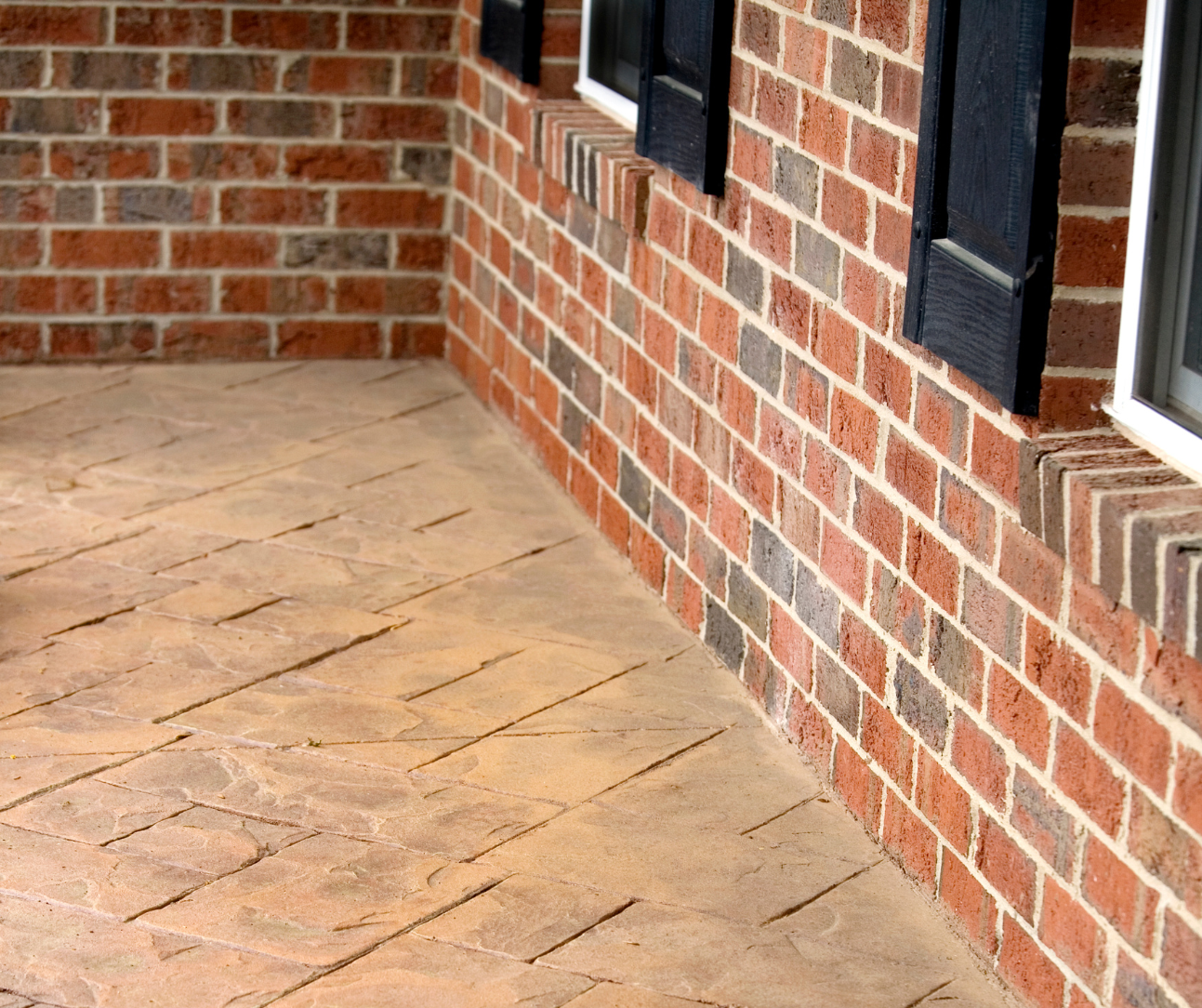
The Short Answer: Can You Do Tuckpointing in the Winter When Conditions Allow?
Yes, tuckpointing can be carried out in winter, but only when the surrounding conditions allow the mortar to cure properly. The season itself is not the obstacle. The real factors are air temperature, the surface temperature of the brickwork, moisture in the wall, rain exposure, wind, and how cold it gets overnight.
Keystone Pointing, a Sydney heritage restoration specialist offering tuckpointing, plans winter work around the forecast rather than the calendar. Rather than promising a fixed temperature cut-off, the safest approach is to have the property assessed so the work is scheduled for a genuinely suitable window.
Why Winter Weather Can Affect Tuckpointing
Carrying out tuckpointing during winter is rarely a problem in itself. The complications come from the weather around the job, and from what that weather does to fresh mortar before it has had the chance to set. Understanding these factors explains why a contractor might recommend waiting a few days or pressing ahead with confidence, and it ties closely to how winter affects masonry structures more broadly.
Mortar Needs the Right Conditions to Cure
Mortar needs a sensible balance of moisture and temperature to bond and cure correctly. When it is too cold or too wet, curing slows, and that can affect both the final strength and the finish of the joint. In genuinely freezing climates the bigger risk is water in the mortar expanding as it freezes and weakening the joint. Sydney rarely reaches those extremes, so here the concern is more about damp, rain, and cold overnight conditions than hard frost.
Damp Brickwork Can Cause Problems
Applying new work over damp or saturated masonry can affect how well it adheres, how it looks, and how long it lasts. Moisture already sitting in the wall has nowhere helpful to go, and saturated brickwork is a poor surface to work on. This connects to a wider issue we see constantly, when moisture left in mortar tends to get more expensive to fix the longer it is ignored. Coastal and exposed walls, in particular, can hold damp for days after rain has passed.
Rain Can Delay or Interrupt the Work
Heavy rain, persistent showers, or simply a wet wall can mean postponing exterior tuckpointing until things dry out. Good contractors check the forecast both before and after a job, because rain shortly after the work, while the mortar is still green, can be just as damaging as rain during it. A short delay to wait out a wet spell is always better than a compromised finish.
What Makes Winter Tuckpointing Possible
Winter does not arrive as one long cold snap. There are stable, dry stretches where conditions are perfectly workable, and the trick is matching the job to those windows.
Mild Weather Windows
The city's winters are mild, with average temperatures sitting around 9°C overnight and 17°C through the day according to Tourism Australia, and the city rarely comes close to frost.
Rain is the bigger consideration. Sydney sits in a humid subtropical zone with no genuinely dry season, and its wettest stretch falls across late autumn and early winter. June is typically the city's rainiest month. After a downpour, brickwork can stay saturated for days, and exposed coastal and elevated walls hold that moisture even longer. That is why winter tuckpointing in Sydney is less about waiting for warmth and more about working within the dry windows between fronts. No two winters are alike, so suitability should always be judged against the actual forecast rather than assumed.
Professional Planning
Experienced masonry specialists plan around weather windows, how exposed the site is, and the curing the mortar needs. That might mean starting only after a wall has dried, scheduling around a clear run of days, or using protective measures such as shielding the work area from rain and wind. The expertise sits in the planning as much as in the pointing itself.
Choosing the Right Mortar and Finish
Mortar selection, colour matching, texture, and finish all influence the result, and they matter even more when conditions are less forgiving. Getting the colour and joint finish right is central to good restoration, which is why choosing the correct mortar colour is never an afterthought. The aim is a repair that disappears into the original brickwork rather than standing out against it.
When Should Tuckpointing Be Delayed Until Better Weather
So, can you do tuckpointing in the winter on any given week? Not always. There are clear situations where the sensible call is to wait. Tuckpointing may need to be delayed when:
- The brickwork is saturated from recent rain
- Heavy rain is forecast during or shortly after the work
- The wall is not drying out properly
- Temperatures are too low for the mortar system being used
- The area is highly exposed to wind, damp, or coastal conditions
- The finish could be compromised by unstable weather
A reputable contractor will not push ahead in unsuitable conditions simply to hit a date. Waiting for the right window protects the finish, the bond, and the long-term value of the work.
Is Interior Tuckpointing Easier to Do in Winter?
Interior tuckpointing is generally far less affected by rain and outdoor exposure, which can make it a practical winter project. Exposed interior brick walls, deteriorating internal mortar, or heritage brickwork that needs restoring are all good candidates for the cooler months. Although it is still work that calls for professional assessment. Indoor factors such as ventilation, existing dampness, and the condition of the wall all affect the outcome, so even inside, the job should not be treated as a guaranteed all-weather option.
Why Tuckpointing is Not a DIY Winter Job
Attempting tuckpointing during winter yourself adds risk on top of an already demanding craft. It depends on getting several things right at once, like correct mortar preparation, careful removal of damaged mortar, the right joint depth and finish, accurate colour and texture matching, moisture management, and proper curing conditions. Get any one of these wrong and the result shows.
Poor workmanship leads to weak joints, visibly mismatched repairs, moisture finding its way in, premature deterioration, and a loss of street appeal or heritage value. Tuckpointing is a highly skilled traditional art that rewards precision and patience, neither of which is helped by cold, damp, unpredictable conditions. If you are weighing it up, our take on why brick restoration is rarely a DIY job is worth a read first.
Tuckpointing vs Repointing in Winter: What's the Difference?
These two terms get used interchangeably, but they are not the same job, and the full difference between tuckpointing and repointing matters when you are planning winter work.
Repointing Repairs the Mortar
Repointing is the structural side of the work. It involves removing old, deteriorated mortar and replacing it to strengthen the building, improve its structural integrity, and protect against damp. It is the sound foundation on which any further finishing work is built.
Tuckpointing Adds a Decorative, Protective Finish
Tuckpointing goes a step further. It typically involves restored mortar joints plus a fine ribbon of lime putty applied over the top, creating the crisp, almost perfect lines that period homes are known for. The effect is both protective and decorative, giving tired brickwork the impression of flawless original workmanship.
Which One Do You Need?
Some properties only need repointing to be sound and weather-tight. Heritage homes and visually prominent facades, on the other hand, often benefit from the finer finish that tuckpointing delivers. The only reliable way to know what your property needs is a professional site assessment, ideally before the work is scheduled around the weather.
Why Sydney Property Owners Should Act Before Minor Mortar Damage Gets Worse
Winter has a way of exposing weaknesses that were already there. Rain, damp, and shifting temperatures push on tired mortar, and damaged joints let water into the wall system. What starts as a little fretting or a hairline gap can grow into a structural and moisture problem if it is left alone.
If you have been putting it off, wondering whether
you can do tuckpointing in the winter at all, the more pressing point is that waiting simply lets minor damage spread. Acting early is almost always cheaper and less disruptive than dealing with the consequences later. If you are unsure how serious the signs are, our guide to what causes mortar to deteriorate helps you tell ordinary wear from a developing problem.
Why Choose a Specialist for Winter Tuckpointing
If there is one season where specialist judgement earns its keep, it is winter. Reading the forecast, assessing the wall, choosing the right mortar, and knowing when to wait are the things that separate a lasting repair from a quick fix that fails within a year.
A few reasons the team is well-suited to this kind of work:
- Over 14 years of masonry experience across Australia and the United Kingdom
- Heritage restoration and masonry restoration specialists, not general bricklayers
- Licensed and fully insured, with Home Building Compensation Fund cover available for eligible larger residential projects
- Experience across residential homes, strata-managed properties, and apartment buildings
So, Can Tuckpointing Be Done in Winter?
Yes, when the weather, the wall, and the curing conditions line up. Exterior work hinges on the forecast, wall moisture, and proper curing, while interior tuckpointing tends to be more flexible. In every case, a professional assessment is what protects the quality and longevity of the result.
The safest next step is not to guess based on the calendar. It is to have your brickwork looked at, so the work can be booked for the right window rather than a convenient date.
Concerned about crumbling mortar or weathered brickwork this winter? Get in touch with our team for a free consultation and honest advice on whether tuckpointing or repointing is right for your Sydney property.
Key Takeaways
- Tuckpointing can be carried out in winter, but only when the weather, wall condition, and curing environment are suitable.
- Cold, wet, or unstable conditions can compromise mortar, especially when the brickwork is damp or exposed to rain.
- Sydney's mild winters often provide workable windows, yet every property still needs a professional assessment before scheduling.
- Interior tuckpointing is frequently a practical winter project, since it is largely sheltered from outdoor weather.
- Tuckpointing is not a DIY task, particularly in winter, because it relies on correct mortar, colour matching, joint preparation, and curing.
- Acting on minor mortar damage early prevents small issues from becoming costly structural and moisture problems.
Frequently Asked Questions
Can tuckpointing be done in winter?
Yes, in many cases. Winter is rarely the deciding factor on its own. What matters is the weather on the day, how wet or cold the brickwork is, and whether conditions let the mortar cure properly. A professional can assess your property and schedule the work for a suitable window rather than ruling out the whole season.
Is winter a bad time for tuckpointing?
Not inherently. Sydney's winters are mild, and there are plenty of dry, stable stretches that suit the work. The risk comes from saturated walls, heavy rain, and very cold overnight conditions, all of which are manageable with good planning and the right timing.
What happens if tuckpointing is done in poor weather?
Working in unsuitable conditions can affect how the mortar bonds and cures, which shows up later as weak joints, a poor finish, or moisture problems. In cold climates, water in the mortar can even freeze and damage the joint. This is exactly why reputable contractors check the forecast before and after a job and delay when needed.
Can rain affect tuckpointing?
Yes. Rain during the work, or shortly afterwards while the mortar is still curing, can wash out or weaken fresh joints. A wet or saturated wall is also a poor surface to start on. Persistent showers usually mean postponing exterior work until the brickwork has dried out.
Is interior tuckpointing suitable in winter?
Often, yes. Interior brickwork is sheltered from rain and wind, so it is far less weather-dependent than exterior work. It still needs a professional assessment, since indoor factors like ventilation, dampness, and the condition of the wall all affect the result.
What temperature is too cold for tuckpointing?
There is no single universal answer, because it depends on the mortar system being used and the conditions at the property. As a general principle, mortar work is avoided when temperatures sit near freezing or will not climb enough during the day for proper curing. In Sydney this is rarely an issue, but it is precisely the kind of judgment a specialist makes on site.
Should I wait until spring to tuckpoint my house?
Not necessarily. If your mortar is fretting or letting moisture in, waiting can allow the damage to spread. In many cases, winter offers suitable windows to get the work done well. The better approach is to have the brickwork assessed now and let a professional advise on timing.
Why should tuckpointing be done by a professional?
Tuckpointing is a precise, traditional craft that depends on correct mortar preparation, colour and texture matching, joint depth, and curing conditions. Done poorly, it leads to mismatched repairs, weak joints, and moisture issues that can reduce a property's value. Winter conditions add further risk, which is why experienced specialists handle the timing and the technique together.
Who offers tuckpointing during winter in Sydney?
Keystone Pointing provides tuckpointing, repointing, and broader masonry restoration right across Sydney, with over 14 years of experience and a focus on heritage and period properties. The team works on residential homes, strata-managed properties, and apartment buildings, and offers free consultations to assess what your brickwork needs.
More Posts Like This: