How to Match Mortar Colour for Tuckpointing: An Expert Guide
Mortar colour matching is one of the most important parts of a professional tuckpointing job, and one of the most commonly underestimated. A repair can be structurally sound, neatly finished, and completed on time, yet still look wrong if the colour, texture, or joint finish does not blend with the existing brickwork. The result is a wall that looks patched rather than restored, and that visual evidence of repairs can undermine the character of the building for years to come.
This is not simply a matter of picking the closest-looking colour from a bag or catalogue. Knowing how to match mortar colour for tuckpointing requires an understanding of the existing brickwork, the age and composition of the original mortar, the influence of weathering and sand, and the joint profile that frames every course of brick. For Sydney's heritage homes, terraces, apartment buildings, and strata properties, getting this wrong can permanently alter the authentic appearance of the building.
Keystone Pointing approaches colour matching as a specialist skill, not an afterthought. The following guide explains what makes mortar matching complex, how professionals assess a wall before mixing anything, and what to look for when choosing someone to carry out this work on your property.
Quick Answer: How to Match Mortar Colour for Tuckpointing
Matching tuckpointing mortar colour starts with a thorough site inspection carried out in natural light. A specialist assesses the existing mortar's colour, undertone, texture, and aggregate before selecting or blending a mix that is visually and materially appropriate for that particular building. Samples are prepared, applied, and assessed only after curing, because wet mortar can look deceptively close and dry to a noticeably different shade.
Keystone Pointing, a masonry restoration specialist with over 17 years of experience working across Sydney and the UK, brings this level of assessment to every tuckpointing project. A correct mortar match accounts for the age and style of the building, the original sand and lime composition, coastal and environmental weathering, and the fine joint finish that defines professional tuckpointing work. The goal is a finish that looks as though the repairs were never needed.
Why Mortar Colour Matching Matters in Tuckpointing
It Preserves the Original Look of the Brickwork
Mortar joints frame every single brick, which means the colour and texture of the mortar has a disproportionate impact on the overall appearance of a wall. In a standard brick facade, mortar joints can account for 15 to 20% of the visible surface area. A poorly matched joint does not quietly recede into the background. It draws the eye directly to the repair.
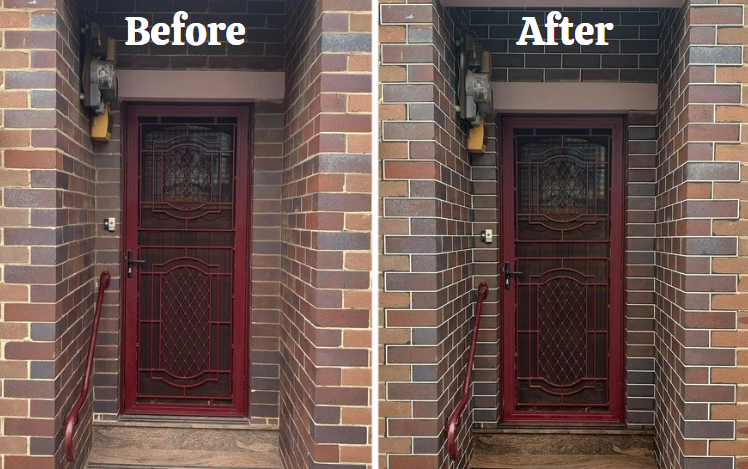
Professional colour matching ensures the restored section blends into the surrounding brickwork so that the wall reads as a whole, not as a patchwork of interventions. This is particularly important for facades, street-facing elevations, entryways, and any wall where visual consistency matters to the owner or occupants.
It Protects Heritage Character
For heritage buildings, the mortar is part of the original visual identity of the structure. The colour, texture, and finish of the joints were chosen or evolved as part of the building's period character, and the wrong mortar can alter that appearance in ways that are difficult and expensive to reverse.
Sydney is home to a large number of Federation-era homes, Victorian terraces, and early 20th-century apartment buildings where original brickwork remains largely intact. Keystone Pointing specialises in preserving and restoring this kind of heritage masonry across Sydney, working to maintain the historical character of the building rather than imposing a modern aesthetic onto it.
It Supports Long-Term Property Value
Well-restored brickwork improves street appeal. A seamless tuckpointing finish can make a home, strata building, or apartment block look better maintained, more cohesive, and more cared for. All of which translates directly into kerb appeal and property value. Poorly matched mortar, by contrast, signals a visible repair history that buyers and valuers will notice.
Professional masonry restoration is an investment in appearance, safety, and value. The cost of getting the mortar match right the first time is far lower than the cost of removing mismatched mortar and starting again.
It Can Indicate Whether the Mortar Mix Is Compatible
Colour mismatch can sometimes point to a deeper issue with the mortar mix itself. A mix that looks wrong might also be the wrong strength or composition for the building, particularly if someone has used a high-cement modern mortar on older soft brickwork.
For buildings constructed before the mid-20th century, lime-rich mortars were standard, and they perform differently from modern Portland cement mixes. A mortar that is too hard can actually damage the bricks over time, as moisture and movement are forced into the masonry rather than being absorbed through the joint. Colour matching and mix compatibility go hand in hand.
Why Matching Mortar Colour for Tuckpointing Is More Complex Than It Looks
Wet Mortar and Dry Mortar Look Different
Freshly mixed mortar almost always changes colour as it cures. A mix that looks close when wet may dry lighter, darker, warmer, or cooler than it appeared during application. This shift is particularly unpredictable when lime, pigments, or locally sourced sands are involved.
Professionals understand that the final colour must be judged after the mortar has fully cured, not during or immediately after application. This requires preparing test samples, allowing them to dry, and comparing them against the existing wall in natural daylight before committing to a full application.
Weathering Changes the Appearance of Existing Mortar
Existing mortar on an older building carries decades of sun exposure, rainfall, salt air, pollution, biological growth, and general ageing. In Sydney, coastal conditions add an additional layer of complexity, as salt-laden air can influence both the surface colour and the rate of masonry deterioration across properties in coastal areas.
The goal for a professional is not to match what the original mortar looked like when it was first applied, but to match how the existing mortar presents today. A technically accurate historical colour can still look obviously wrong beside weathered brickwork if the surrounding surface has shifted significantly over time.
Sand Has a Major Influence on Colour and Texture
Sand is the most visually dominant component of a mortar mix, and it varies considerably in colour, grain size, and texture depending on where it is sourced. A buff-coloured sand will produce a very different result from a grey or pale yellow sand, even when the binder and pigment content are identical.
Getting the sand right is often what separates a close match from a seamless one. Experienced tuckpointers source sand that is appropriate for the specific job, rather than defaulting to whatever is most readily available. Understanding what causes mortar to deteriorate also helps specialists select a mix that will hold its colour over time.
Joint Profile and Finish Affect How Colour Is Perceived
A colour that reads correctly on a sample board can still look wrong on the wall if the joint profile is different from the surrounding masonry. The depth, width, and finish of the joint (whether struck, flush, half-round, or raked) affect the way light falls across the surface and how the colour is perceived from a distance.
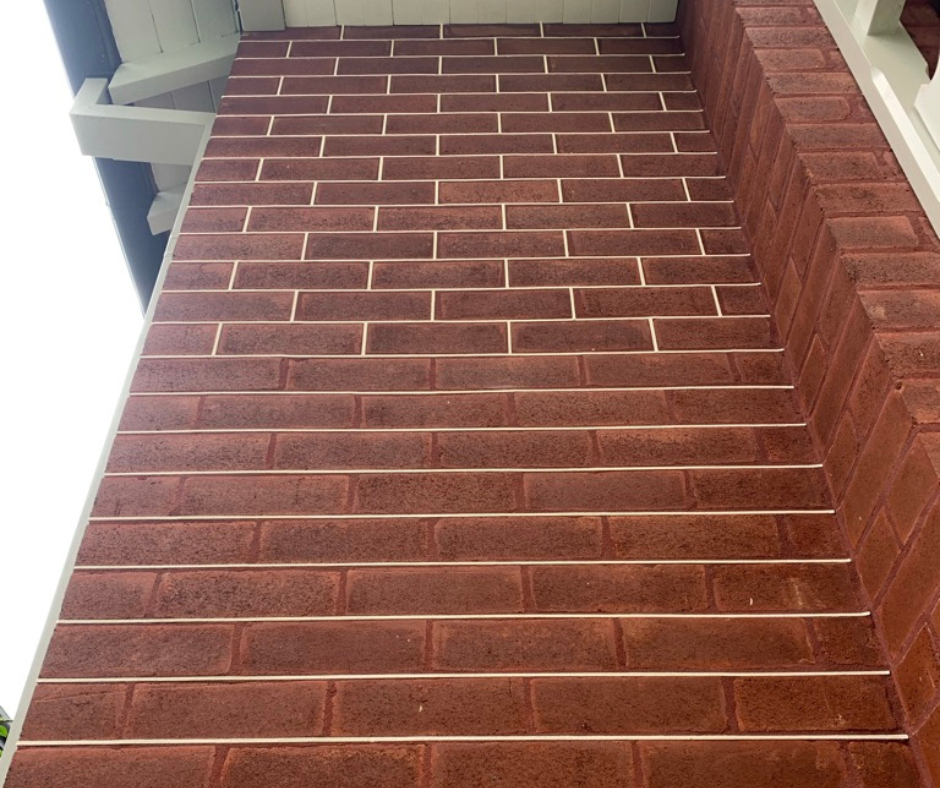
Tuckpointing adds a further layer of complexity. The base mortar must visually support the fine white or light-coloured ribbon that is applied on top, and the contrast between the two needs to match the original finish of the building. Inconsistencies in the base mortar colour will affect how the finished tuckpointing reads across the whole facade.
What Professionals Assess Before Matching Mortar Colour
The Age and Style of the Building
Heritage terraces, bungalows, apartment buildings, and modern brick construction all present different challenges. Older buildings often require greater sensitivity to the original materials and a more careful approach to mix selection, particularly where lime-based mortars were used originally, and the brickwork is soft or permeable.
There is no single formula that applies across all older buildings. Every structure needs to be assessed on its own terms, which is why professional inspection is necessary before any colour matching or mortar preparation takes place.
Existing Mortar Colour, Undertone and Texture
Professionals look beyond the surface reading of colour. They assess warm, cool, grey, buff, cream, pink, brown, or earthy undertones, recognising that what looks like a plain grey mortar from a distance may carry a distinct warm or cool bias that will make a mismatch visible under direct sunlight.
Texture and aggregate visibility matter equally. A smooth, fine mortar will look different from a slightly coarser one even if the base colour is identical. Both need to match the existing work.
Brick Colour and Surrounding Masonry
The same mortar colour can look entirely different beside different brick types. A mid-grey mortar that looks cohesive with cream or sandstone brickwork may look too stark beside darker red or brown brick. Mortar must complement the brick, not compete with it, and this relationship needs to be assessed from the viewing distance of the street, not just up close on the scaffold.
Level of Deterioration
Crumbling, soft, powdery, or deeply eroded mortar can signal that broader masonry issues are present. Keystone Pointing restores damaged bricks and mortar as they deteriorate over time, and the colour matching process is always secondary to making sure the underlying masonry is structurally sound. If mortar is failing significantly across a wall, a colour match alone will not address the cause of the problem.
Exposure and Location
North-facing walls, shaded sections, and high-exposure coastal elevations weather differently from one another, sometimes dramatically so on the same building. For strata and apartment buildings, different facades may carry different levels of weathering and may need slightly different visual treatment.
The Professional Mortar Colour Matching Process
Site Inspection and Mortar Review
A specialist reviews the existing brickwork in natural light, identifying visible variations across sections of the wall. Previous repairs that introduced mismatched mortar are noted and accounted for, since these will affect the overall visual baseline of the facade.
This inspection is not a quick glance. It requires careful observation of the wall at different distances and under different light conditions to understand how the existing joints actually read in context.
Mortar Compatibility Assessment
Before any mixing, a professional determines whether the proposed mortar is visually and materially appropriate for the building. The wrong mortar, particularly one that is too hard or too cement-heavy for the existing brickwork, can cause damage over time even if the colour is close.
This assessment draws on the tradesperson's knowledge of the building's age, construction type, and the condition of the existing masonry, rather than a standardised formula. The factors that influence the cost of repointing and tuckpointing are partly driven by this complexity, with some buildings require more careful preparation and testing than others.
Sample Matching and Testing
Professionals prepare samples of the proposed mix and compare them against the existing wall after the samples have dried or cured. Multiple batches may be needed before the match is close enough to proceed. This step is non-negotiable on heritage work and on any high-visibility facade.
Rushing past the sample stage is one of the most common reasons mortar colour matching goes wrong. The time spent testing is always less costly than removing mismatched mortar from a completed job.
Matching the Joint Finish
Colour is one component of the overall match. The joint profile, depth, neatness, and finish must also mirror the surrounding masonry so that the repaired sections read consistently with the existing work.
For tuckpointing specifically, the fine contrasting line must be clean, consistent, and suited to the style of the brickwork. This level of precision is a defining characteristic of quality tuckpointing work, and it requires a steady hand, sharp tools, and significant experience.
Full Application by Skilled Tradespeople
Once the match is confirmed, the work is carried out carefully and methodically across the required area. Keystone's team works with meticulous attention to ensure the finished result looks seamless and consistent, whether the scope covers a single wall or a full building facade. Our tuckpointing service in Sydney covers all of this from initial assessment to final application.
Common Reasons Mortar Colour Matching Goes Wrong
Judging the Colour While the Mortar Is Still Wet
New mortar can look deceptively close to the existing work when it is freshly applied. Once it has dried and cured, the mismatch may become apparent. This is a very common error among tradespeople who are unfamiliar with how mortar behaves as it dries, or who are under pressure to complete work quickly.
The only reliable way to judge a mortar colour match is to assess a cured sample against the wall in natural daylight.
Using Generic Premixed Mortar
Off-the-shelf bagged or tube mortar products are unlikely to match existing mortar on older homes in colour, texture, or strength. These products are formulated for general use, not for a specific building's visual character. On heritage properties or any building with distinctive original brickwork, generic products produce generic results.
Ignoring the Sand and Aggregate
Even where the binder colour is close, the wrong sand can make the finished joint look wrong in colour, texture, or grain size. The visual properties of the sand are often the dominant factor in how the mortar reads from a normal viewing distance.
Matching New Mortar Instead of Weathered Mortar
A mix based on what the original mortar looked like when new may still look wrong beside aged masonry. Restoration work requires matching the building as it presents today. The practical standard is not historical accuracy from the date of construction, but it is visual consistency with what the eye actually sees.
Overlooking Structural Issues
Colour matching should never distract from broader masonry concerns. Crumbling mortar, damp penetration, rusted lintels, wall tie failure, or damaged bricks may all need professional attention before tuckpointing can be carried out effectively. Applying a well-matched tuckpoint finish over a structurally compromised wall addresses only the surface.
Why Do You Need a Professional in Matching Tuckpointing Mortar Colour
Heritage Buildings Require Specialist Care
Older buildings carry materials, construction methods, and proportional details that were standard in their era but are rarely used today. Restoration should preserve that character while improving structural performance, and that requires a tradesperson who understands the difference, not one who applies a modern approach to a heritage material.
Keystone's experience across Sydney's Federation, Victorian, and interwar buildings means the team approaches older brickwork with the sensitivity it deserves.
Tuckpointing Is a Specialist Trade
Tuckpointing is sometimes described as almost a lost art, and that description reflects the level of skill required to execute it properly. The process demands precision at every stage, from racking out the existing joints to applying a base mortar that matches the brick, then scribing a clean, consistent ribbon line on top. This is not work that a general bricklayer or DIY enthusiast can replicate to a professional standard.
The Finish Needs to Look Seamless From the Street
The goal of professional tuckpointing is not simply to fill joints. The restored brickwork should look consistent, authentic, and well-maintained when viewed from a normal distance. Kerb appeal, the quality of visible facades, and the appearance of terraces, entryways, and street-facing elevations all depend on the finish reading correctly from where people actually stand.
Poor Repairs Can Be Costly to Correct
Mismatched or incompatible mortar often needs to be cut out and redone, a process that adds labour cost, risk of damage to the surrounding brickwork, and further delay to the finished result. Choosing a specialist before the work begins is always less expensive than correcting work that did not meet the required standard. The difference between tuckpointing and repointing matters here, too, since the wrong service applied to the wrong problem compounds rather than resolves the issue
When Should You Call a Tuckpointing Specialist?
If you are unsure whether your property needs attention, the following signs are worth taking seriously. Professional assessment is the most reliable way to know what is actually needed and what approach will produce the best result.
- Mortar joints are crumbling, powdery, cracked, or missing in sections
- Previous repairs look patchy or noticeably mismatched against the surrounding brickwork
- The brick facade looks tired, uneven, or weathered across a wall or elevation
- Damp is appearing on internal walls near external masonry
- Bricks are becoming loose, damaged, or showing signs of movement
- The property is heritage-listed or contains original brickwork worth preserving
- A strata, apartment, or multi-unit property needs consistent restoration across a larger facade
- You want repairs to blend with the existing brickwork rather than look visibly patched
Why Choose Keystone Pointing for Tuckpointing in Sydney
Keystone Pointing is a Sydney brick repointing and masonry restoration specialist with over 17 years of experience across residential, strata, apartment, and heritage properties. We handle tuckpointing, brick repointing, lintel and arch bar replacement, wall tie replacement, and broader masonry restoration, providing a complete service for properties that need careful, specialist attention.
We work with homeowners, builders, strata managers, and real estate companies across Sydney. Every team member is licensed and fully insured, and the business carries HBCF coverage for eligible NSW residential projects.
Mortar colour matching is part of every tuckpointing assessment. The process begins with a face-to-face inspection so we can assess the actual building rather than working from a photograph, and a detailed quote follows before any work is confirmed.
To book a professional inspection or request a free quote,
get in touch with us
Summary: The Best Mortar Match Comes From Professional Experience
Matching mortar colour for tuckpointing involves far more than selecting the closest-looking shade from a sample chart. Professionals assess the existing mortar, the brickwork itself, the age and weathering of the building, the sand and aggregate composition, and the joint profile before making any mixing decisions. Samples are prepared, cured, and compared against the wall before a single joint is touched.
For heritage properties across Sydney, the stakes are particularly high. The mortar is part of the building's visual identity, and getting it wrong can affect both the appearance and the structural integrity of the masonry for years to come. The goal of quality tuckpointing is a finish that looks as though the repairs were never necessary, and achieving that takes experience, care, and specialist knowledge.
Key Takeaways
- Mortar colour matching is essential for seamless tuckpointing and heritage brick restoration. A structurally sound repair that looks wrong is still a poor result.
- A good match considers colour, undertone, texture, sand, joint profile, and the current weathered appearance of the existing brickwork, not just a visual approximation when wet.
- Wet mortar often dries to a noticeably different shade, so professional sample testing and assessment after curing are non-negotiable steps.
- Poorly matched mortar makes repairs stand out and can signal a broader issue with mortar mix compatibility, particularly on older or heritage buildings.
- Heritage brickwork should always be restored by specialists who understand traditional finishes, lime-based mortar behaviour, and the sensitivity required around original materials.
- Keystone Pointing provides professional tuckpointing, brick repointing, and heritage masonry restoration across Sydney for residential properties, strata buildings, and heritage structures.
Frequently Asked Questions
How do professionals match mortar colour for tuckpointing?
A professional begins with a detailed site inspection in natural light, assessing the existing mortar's colour, undertone, texture, and aggregate. They then prepare a mortar mix that is visually and materially appropriate for the building, apply test samples, and assess the colour only after the samples have fully cured. Multiple test batches may be prepared before the match is close enough to proceed. The joint profile and finish are matched alongside the colour to ensure the repair reads consistently with the surrounding brickwork.
Why does new mortar look different after it dries?
Mortar undergoes a colour shift during the curing process as moisture evaporates and the binder sets. The final dried colour can be noticeably lighter, darker, or tonally different from the wet mix. This is particularly true when lime, natural pigments, or locally sourced sands are included. Professional tuckpointers account for this by testing samples and assessing them only after they have cured to their final colour.
Can old mortar be matched exactly?
An exact match is rarely achievable because aged mortar has been altered by decades of weathering, UV exposure, biological growth, and environmental conditions. A skilled professional aims for a visual match that reads consistently with the existing wall from a normal viewing distance, rather than a laboratory-precise colour reproduction. The practical standard is how the repair looks on the building, not how it measures against an original specification.
Why is mortar colour matching important for heritage buildings?
Heritage buildings have a visual character that is tied closely to their original materials and finishes. Mortar joints make up a significant portion of the visible facade surface, so the colour and texture of the mortar has a direct impact on how the building reads overall. Poorly matched mortar can alter the historical appearance of a property in ways that are difficult to reverse, and in some cases may affect heritage listing compliance or insurance valuations.
What happens if the wrong mortar colour is used?
Mismatched mortar stands out visually against the surrounding brickwork, creating a patched or repaired appearance that undermines the facade. Beyond aesthetics, the wrong mortar mix can also damage the masonry over time if it is harder or more cement-heavy than the original. In either case, the remedy is to cut out the mismatched mortar and redo the work, which adds significant cost and risk of further damage.
Is tuckpointing different from repointing?
Yes. Repointing involves removing deteriorating mortar and replacing it with a structurally sound mix to restore the integrity and weatherproofing of the wall. Tuckpointing is a more specialised aesthetic process where the base mortar is colour-matched to the brick, and a fine contrasting line is then applied on top to create the impression of perfectly uniform original brickwork. Tuckpointing is often carried out after repointing on heritage properties, or independently on buildings where the structural mortar is still sound but the appearance needs restoring. The difference between tuckpointing and repointing is worth understanding before commissioning any masonry restoration work.
How long does mortar colour matching take?
The inspection and sample preparation stage typically takes a few days when accounting for the curing time required to assess a sample accurately. The overall timeline depends on the complexity of the building, the condition of the existing mortar, and how many test batches are needed to achieve a close match. Rushing this stage produces poor results, so a professional will not skip it even on smaller jobs.
Can mismatched mortar be fixed?
Yes, but it requires removing the mismatched mortar and redoing the affected joints. This is more labour-intensive than getting the match right the first time, and there is always some risk of damage to the surrounding brickwork during removal. The best outcome is to choose a specialist who carries out proper assessment and sample testing before applying any mortar.
Who provides professional mortar colour matching for tuckpointing in Sydney?
Keystone Pointing provides specialist tuckpointing and mortar colour matching across Sydney for residential homes, heritage properties, apartment buildings, strata-managed complexes, and multi-unit dwellings. Call 0437 505 423 or use the online enquiry form to arrange an assessment.
More Posts Like This: