How Does Repointing a House Add Value to Your Property?
Stand back from an older Sydney brick home, and the first thing that dates it is often the mortar. Crumbling, receding joints make even a well-loved house look tired, and they raise the same worry for owners weighing up a sale or simply trying to look after the place: is fixing them actually worth the money? Put plainly, the real question is, “Does repointing a house add value?”, and the honest answer is yes, when it is done properly.
Repointing is the process of replacing the worn mortar between bricks, and it does far more than tidy up a wall. It sits alongside tuckpointing as one of the two crafts that keep Sydney's brick homes sound and looking their best.
Does Repointing a House Add Value?
Yes. Repointing adds value in two connected ways. It lifts how a home looks for buyers and valuers, and it protects the brickwork from the slow damage that quietly eats away at a property's worth. However, it only adds value when the right mortar is used, and the work is done to a high standard. The wrong approach can actually do harm.
The specialists at Keystone Pointing have spent over 14 years on brick repointing across Sydney, and the homes that hold their value are the ones where the joints are sound, breathable and colour matched to the brick.

How Repointing Adds Value to Your Home
There are several ways repointing adds value to your home, and they fall into two broad groups: how the house looks, and how well it is protected.
Better first impression
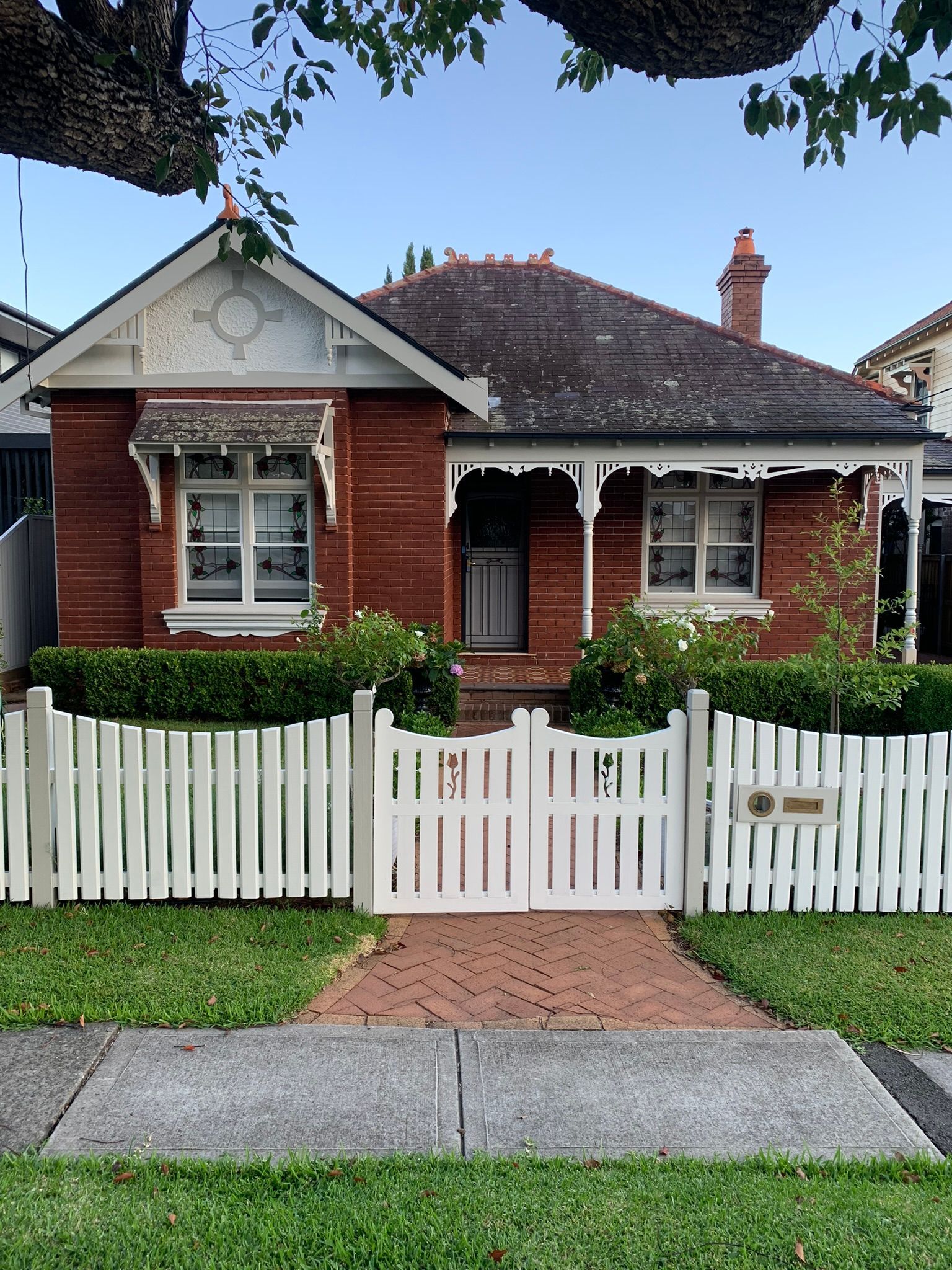
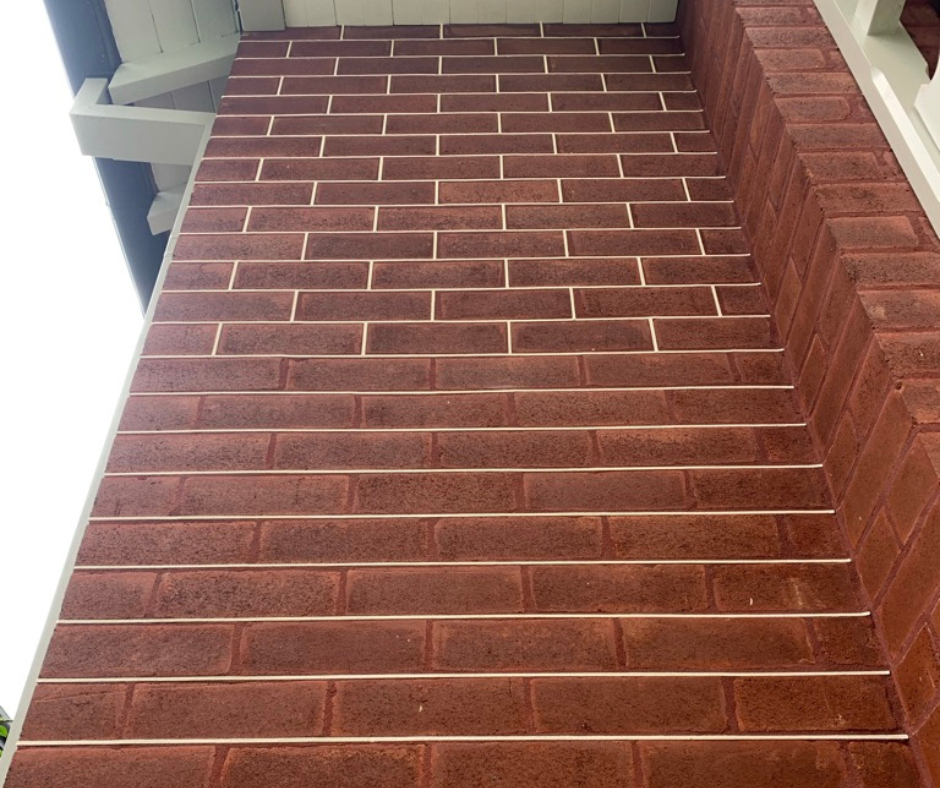
Fresh, colour-matched joints make a brick façade appear clean and cared for, and that first impression does real work at an open home. Strong kerb appeal widens the pool of interested buyers and helps support the asking price, because people form a view of a property in the first few seconds. Seeing the difference side by side is often what makes it click.
Protection against water damage & structural decay
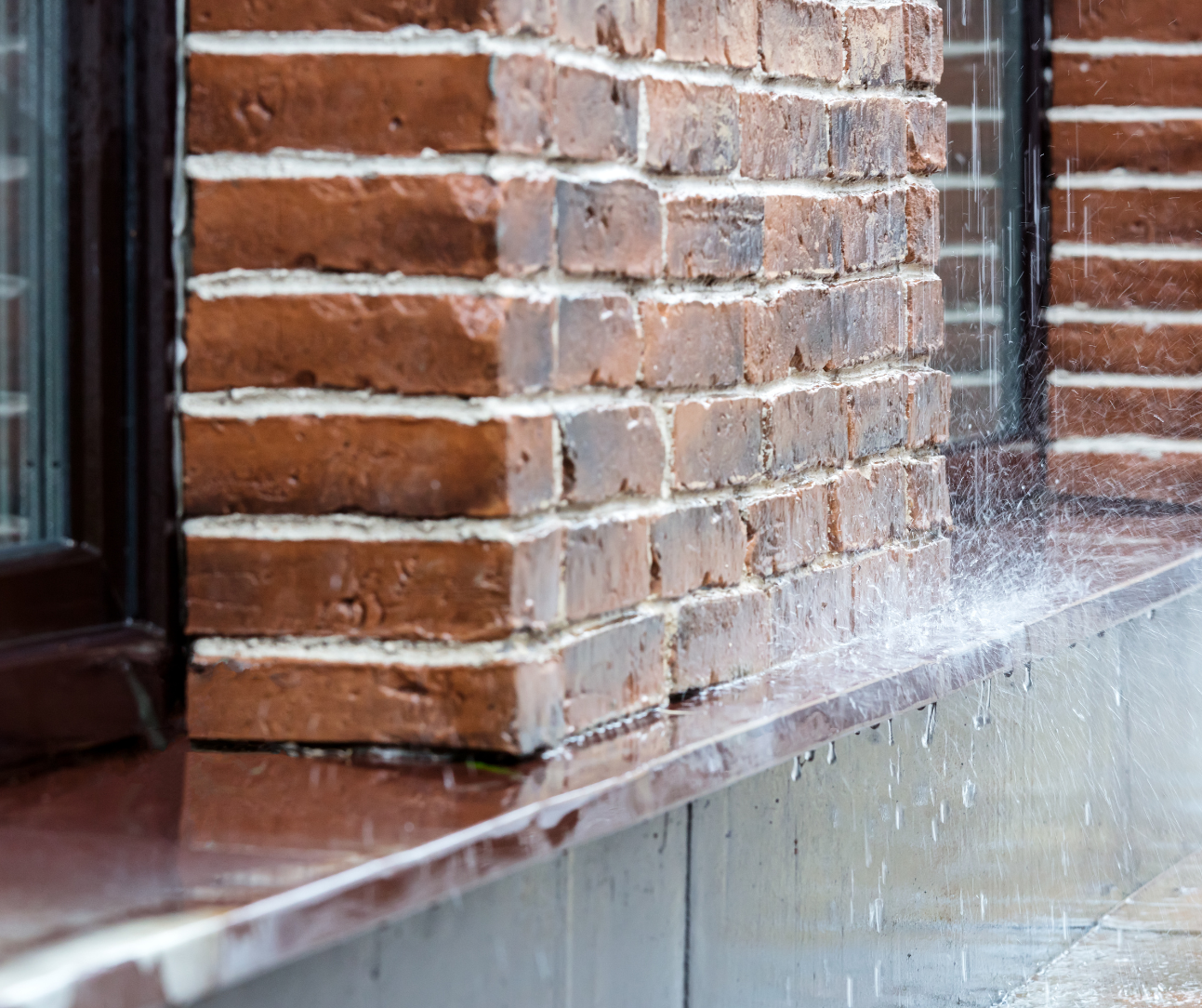
When mortar joints fail, water gets into the wall, and that is where the real costs begin. Damp, spalling bricks and, left long enough, movement that threatens the structural integrity of the wall. Repointing seals those gaps and buys out that future liability before it turns up on a building inspection. What the job actually involves is a topic on its own, and worth understanding before you get quotes.
A signal of a well-maintained home to buyers & inspectors
Buyers and building inspectors read sound brickwork as a sign the whole home has been looked after. In New South Wales, a pre-sale or pre-purchase inspection will often flag failing mortar, so getting ahead of it removes a bargaining chip from the buyer and shortens their list of concerns. A tidy, structurally sound exterior quietly tells people there are unlikely to be nasty surprises elsewhere.
Better weatherproofing & energy efficiency
Sealing the joints also improves weatherproofing, keeping wind-driven rain and draughts out of the wall. On an older home without modern insulation, that makes rooms a little easier to keep at a comfortable temperature and can take some load off heating and cooling. It is a modest benefit next to the structural one, but it is real, and buyers notice a home that feels solid and dry.
Preserved heritage character on period homes
On Federation and Victorian homes, correct repointing and
tuckpointing preserve the original character that gives these properties their premium. Done well, sympathetic brickwork restoration
protects the structure and appearance of heritage brickwork and keeps a home looking the way it was meant to, which matters enormously in Sydney's heritage and character suburbs. Done badly, with a hard cement mortar smeared over soft old bricks, it can permanently damage the brick and pull value down, which is exactly why the choice of tradesperson matters.
Why Repointing Adds Even More Value to Sydney Homes
Most advice you will read online about whether repointing pays off comes from the United Kingdom or the United States, where the enemy is freeze and thaw. Sydney's conditions are different, and they matter. The city has a humid subtropical climate with high annual rainfall and long stretches of moisture in the air, which keeps open joints damp and speeds up decay. Add the salt-laden air along the Northern Beaches, the Eastern Suburbs and the harbour, and mortar here can break down faster than those overseas timelines suggest.
Sydney also has a large stock of Federation and Victorian brick homes, and in heritage and character suburbs, sound period correct brickwork is tied directly to what a home is worth. Fixing failing joints is not just maintenance in this market. It protects one of the very features buyers are paying for.
When Does Repointing Add Value to Your Home
So, does repointing add value in every case? Not automatically. It adds value when it is done correctly, and it can take value away when it is not. The most common way it goes wrong is the wrong mortar, a hard, dense cement mix used on old bricks that were built to breathe. That traps moisture, pushes damage into the bricks themselves, and on a heritage home it can undo the character that made the place desirable in the first place. A poor colour match or a rough finish does the same kind of harm to the eye that a buyer brings to an inspection.
This is also where the do-it-yourself question comes in. Raking out and repointing looks simple, but it rarely is. The risk is not just wasted effort, it is a patchy, mismatched result that costs more to put right than it would have cost to do properly the first time.
| Option | Relative cost | Effect on value | How buyers tend to read it |
|---|---|---|---|
| Proper repointing | Moderate | Protects and lifts value | Well-maintained and sound |
| Rendering over brickwork | Higher | Mixed, and can hide problems | Can raise questions on a period home |
| Full restoration | Highest | Strongest on heritage homes | Premium, character preserved |
For most sound brick homes with tired joints, proper repointing is the option that adds value for the least outlay. Rendering and full restoration have their place, but they are bigger decisions with different trade-offs.
How to Make Sure Repointing Actually Adds Value
Getting the value rather than the risk comes down to who does the work and how. Before you commit, it is worth checking a few things:
- The mortar is matched to your bricks and their age, lime-based where the home needs it, not a hard cement mix on soft old brick
- The joint colour and finish are matched, so the repair blends in rather than standing out
- The tradespeople are licensed and fully-insured
- They can show you references or before-and-after examples of similar homes
- They assess the brickwork on site first, rather than quoting blind
Our team at Keystone Pointing will tell you the jobs that add the most value are rarely the flashiest. They are the ones where the mortar is matched to the brick, and the joints are finished cleanly and consistently. If you are not sure whether your home is due, the signs a building needs repointing are usually easy to spot once you know what to look for.

Getting the Timing Right on Repointing a Brick House
Repointing is one of the more cost-effective ways to protect and lift the value of a brick home in Sydney, provided it is done properly. It guards the structure against the city's damp, salty conditions, it sharpens the look that buyers respond to, and on a period home, it preserves the character that commands a premium.
If your joints are looking tired, or you are simply thinking ahead to a sale, a proper on-site assessment is the sensible first step. You can get in touch with the Keystone Pointing team for a clear look at what your brickwork actually needs.
Key Takeaways
- Yes, repointing adds value to your home, mainly through better kerb appeal, buyer confidence, and protection against costly water and structural damage.
- The value only holds when the work is done properly. The wrong or overly hard mortar can damage old bricks and reduce value.
- Sydney's humid, salty coastal conditions wear mortar faster than the overseas timelines most online guides quote.
- On Federation and Victorian homes, sound period correct brickwork is directly tied to the property's premium.
- Repointing also improves weatherproofing and comfort by sealing gaps in the joints.
- A licensed, experienced specialist and a proper on-site assessment are the difference between a value-added job and a costly one.
Frequently Asked Questions
Does repointing a house add value?
Yes. It lifts the appeal and buyer confidence and protects the brickwork from damage that erodes value over time. The key condition is that it is done correctly, with the right mortar and a clean, colour-matched finish.
How much value does repointing add to a property?
There is no single fixed figure, because it depends on the home, its condition and the local market. It is better understood as protecting value and improving saleability rather than adding a guaranteed percentage. On a tired but sound brick home, the return on a proper job is usually strong relative to the cost.
Is repointing worth it before selling?
Often, yes. Fresh joints and a cared-for facade help at inspections and open homes, and they reduce the list of concerns a buyer or building inspector might raise. It is one of the more affordable exterior improvements you can make before listing.
Can repointing ever reduce a home's value?
Yes, if it is done badly. The wrong hard cement mortar on soft heritage brick, or a poor colour match and rough finish, can damage the brickwork and hurt the look. This is why the choice of a specialist matters so much for older homes.
How do I know if my Sydney home needs repointing?
Look for crumbling, receding or powdery mortar, gaps opening between bricks, damp patches inside after rain, or loose bricks. These are common on older coastal homes where the salty, humid air speeds up decay.
Does repointing make a house warmer?
Modestly, yes. Sealing gaps in the joints reduces draughts and moisture getting into the wall, which helps keep indoor temperatures a little more stable. It is a comfort and efficiency bonus rather than the main reason to repoint.
Is repointing or rendering better for adding value?
Repointing preserves and protects the original brick and character, which is usually the better choice on a period home. Rendering covers the brickwork and can sometimes raise questions for buyers about what is underneath. The right choice depends on the home and the look you want.
What happens if I don't repoint my house?
Water works its way into the wall, leading to damp, spalling bricks and eventually structural movement and bigger repair bills. All of those hurt both the condition and the value of the home, and they cost far more to fix than timely repointing.
Can I repoint my house myself to save money?
It is possible in theory, but it is easy to get wrong. Poor do-it-yourself work can damage bricks and look patchy, which undoes any value you were hoping to add. For anything beyond a very small area, a professional finish is what protects the investment.
How often does a brick house need repointing in Sydney?
Coastal exposure and humidity tend to shorten the interval of repointing compared with milder inland climates, so Sydney homes often need attention sooner than overseas figures suggest.
More Posts Like This: