Managing Salt Damp in Masonry Buildings
Sydney’s brick and stone buildings are built to last, but they’re not built to be wet. When ground moisture keeps feeding into porous walls, salts hitch a ride, settle in the masonry, and start doing damage from the inside out. It often begins quietly as a bit of powdery salt at the base of a wall, a soft mortar joint you can scrape with your finger or paint that won’t stay put. Left long enough, it can turn into spalling bricks, unstable sections around corners and openings, and expensive repair bills.
What is Salt Damp in Masonry
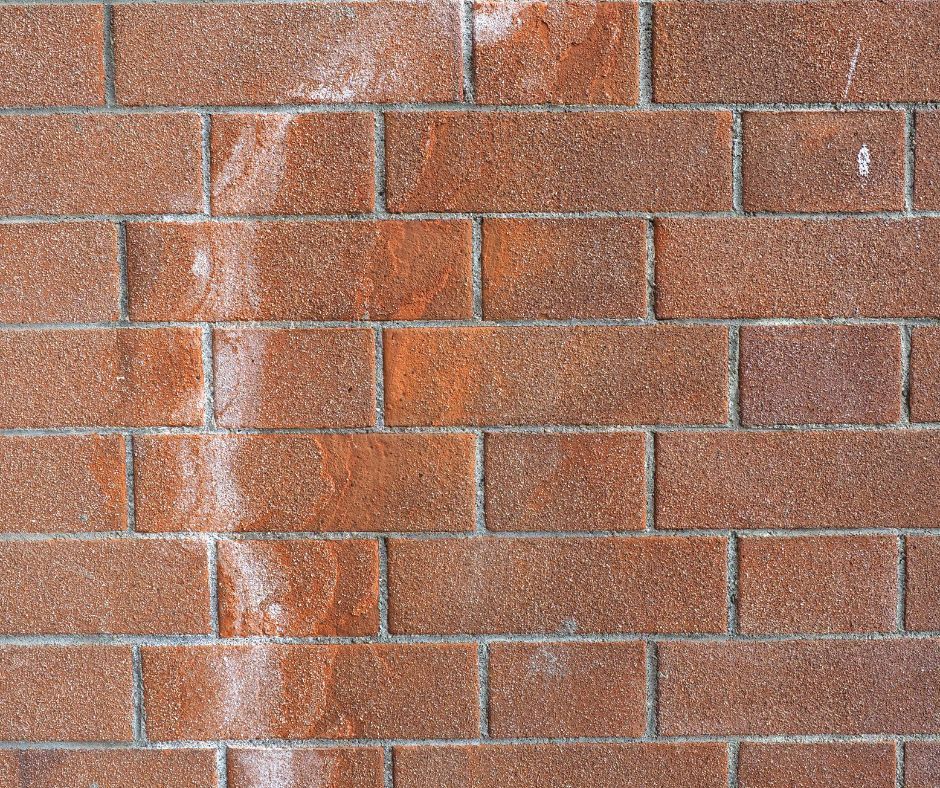
Salt damp is what happens when moisture carries soluble salts into brick, stone, and mortar, and those salts crystallise inside the tiny pores of the masonry. Over time, the crystals grow, dissolve and re-form with changing weather and humidity. That repeated cycle puts physical pressure on the material until it starts to fret and crumble.
How Rising Damp Leads to Salt Damp
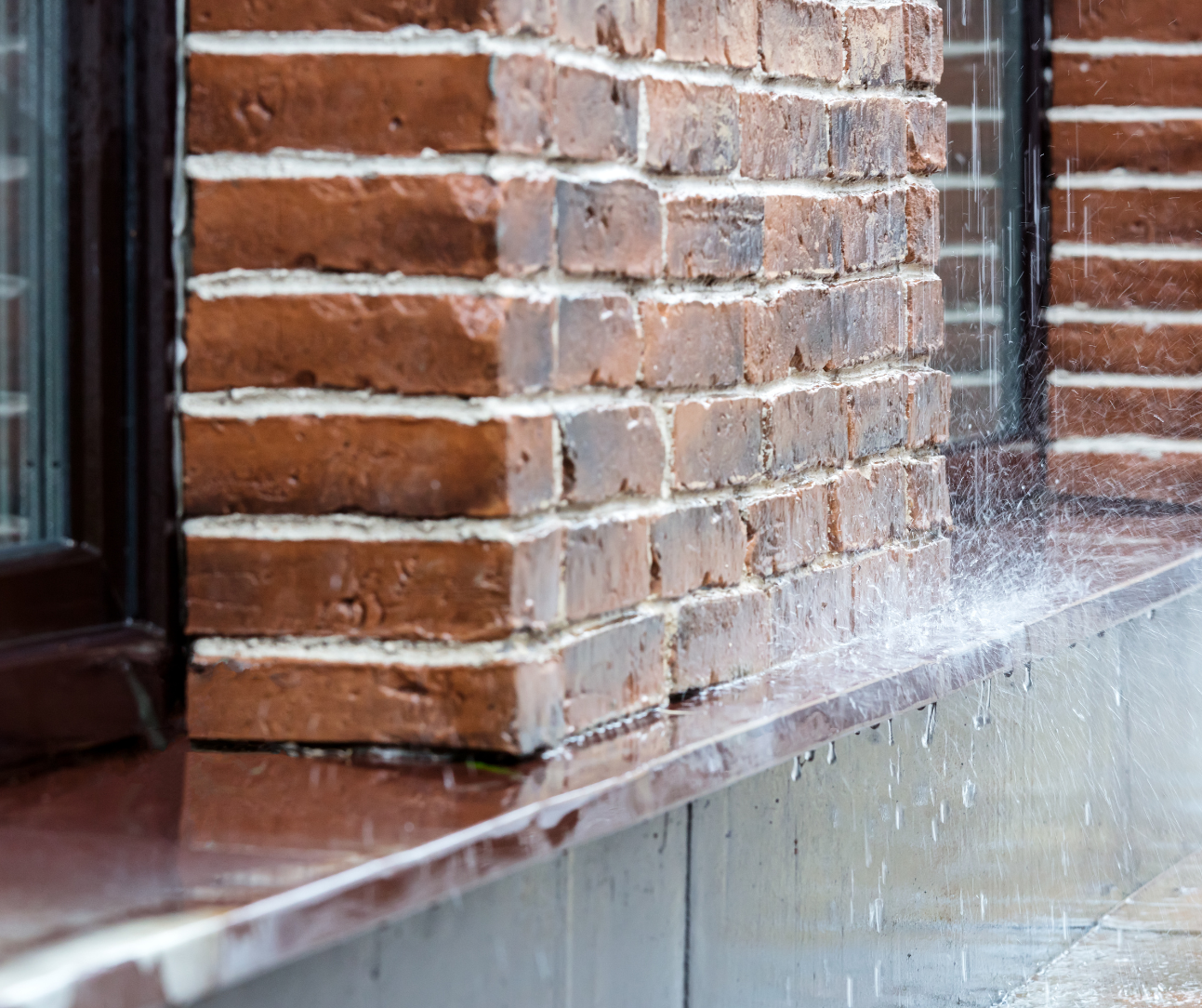
Most salt damp issues start with rising damp. Porous masonry and older, softer mortars can draw moisture up from the soil beneath a building through capillary action (think of how a sponge pulls water upward). If the damp-proof course is missing, bridged, or has failed, moisture can travel freely.
As that moisture reaches warmer, drier air nearer the wall surface, it evaporates. The water leaves, the salts don’t. Salts are left behind:
- within the masonry pores
- near the evaporation zone (often at the base of walls)
- and sometimes on the surface as white, powdery deposits
Why Masonry (Brick, Stone and Mortar) is So Vulnerable
Clay brick, sandstone and lime-based mortars are often porous by design. They “breathe,” meaning they can take in and release moisture. That breathability is part of what makes older masonry perform well, until moisture becomes constant and salts accumulate.
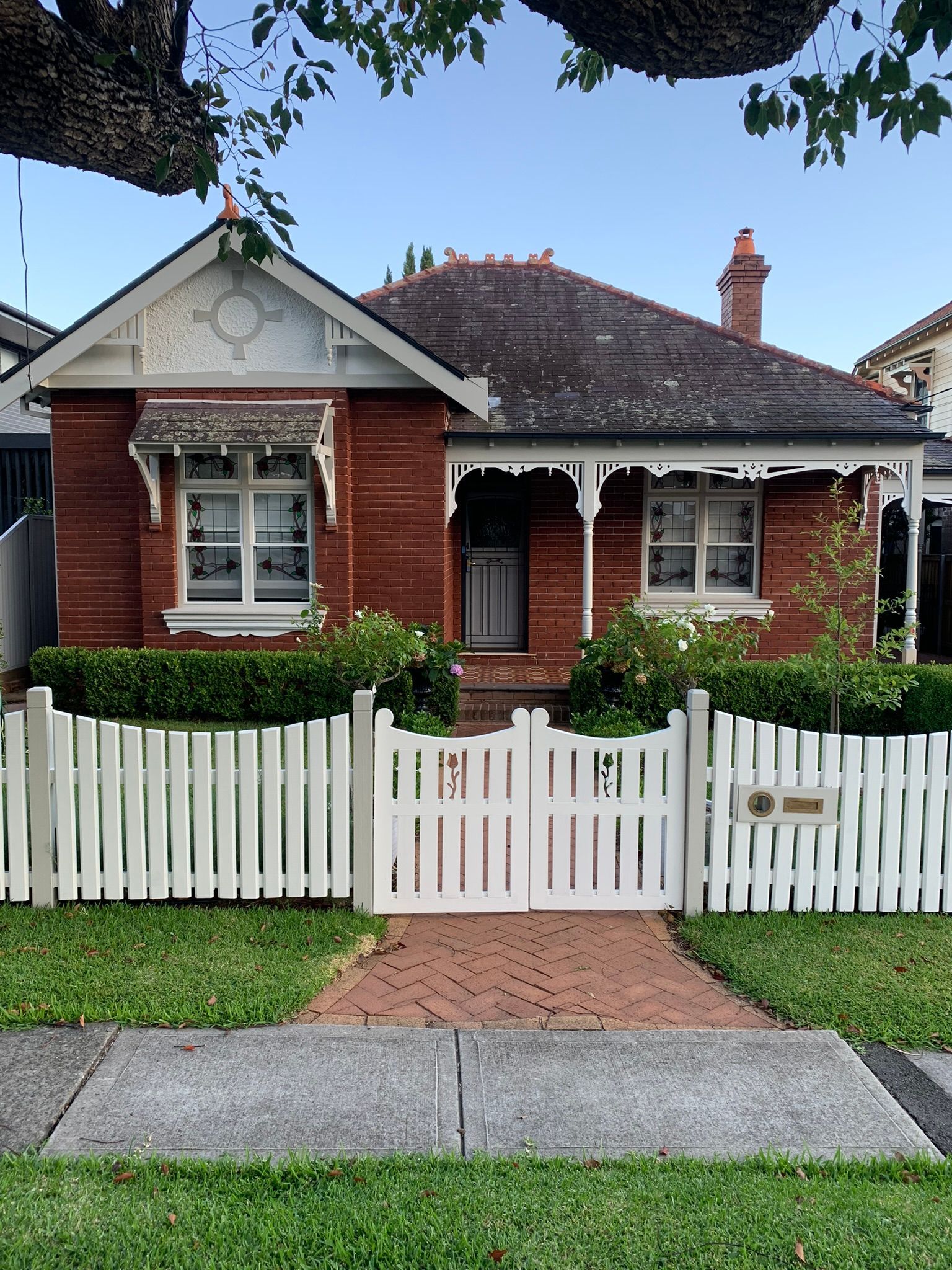
Heritage buildings are especially at risk because they commonly use softer, more breathable materials. If moisture management is wrong (or modern repairs trap moisture), salt attack can accelerate and take the original brickwork and mortar details.
Why Heritage and Older Masonry Buildings are so Prone to Salt Damp
Missing or Failed Damp-Proof Courses (DPCs)
Many older buildings were constructed before modern damp-proof courses became consistent, or their original barriers have deteriorated after decades of movement, ground changes, and repairs. Even where a DPC exists, it can be bridged by paths, render, garden beds, or new finishes that sit higher than the original ground line.
Changes Around the Building Over Time
Salt damp in masonry often isn’t caused by one big leak. It’s usually a slow, steady moisture pressure made worse by changes outside the building, such as:
- External ground levels creeping up after landscaping or paving
- Poor site drainage that holds water near the footings
- Leaking gutters or downpipes that dump water right where you don’t want it
- Renovations that ignore original damp-management details (subfloor vents covered, levels altered, walls sealed)
Incompatible Repairs and Hard, Non-Breathable Finishes
Cement-rich mortars, hard renders and non-breathable paints can trap moisture in the wall. That doesn’t just keep things damp, it forces salts to concentrate in the masonry.
A wall that used to dry out naturally may suddenly be unable to evaporate properly. The result is increased salt build-up and faster decay of mortar joints and brick faces, especially in older brickwork that was never meant to be sealed up like a modern cavity wall.
Early Warning Signs of Salt Damp in Bricks and Mortar
Visible Signs on External Brickwork
Common external indicators, especially near ground level, include:
- Flaky, powdery, or “fretting” mortar joints
- Crumbling or spalling bricks (faces popping off or brick “shells” delaminating)
- White, powdery or crusty salt deposits (efflorescence)
- Hollow-sounding bricks when tapped
Internal Signs Inside the Building
Inside, the symptoms often show up first as cosmetic issues that keep returning:
- Peeling, bubbling paint or wallpaper near skirting level
- Yellow/brown tide marks up to roughly a metre high
- Crumbly plaster, salt staining, or a damp, musty smell
Structural Red Flags That Shouldn’t Be Ignored
These are the signs that warrant urgent attention:
- Mortar joints so degraded that they can be scraped out with a finger
- Bricks cracking, delaminating or “exploding” from internal crystal growth
- Loose, unstable sections of wall (particularly around openings, parapets and corners)
What Does Salt Do to Masonry
Progressive Structural Damage to Masonry
When salts crystallise inside bricks and mortar, they expand. That expansion increases internal pressure, which leads to:
- erosion of mortar joints
- fretting and loss of brick “skins”
- progressive weakening around load paths and openings
Over time, this undermines the wall’s load-bearing capacity and can contribute to cracking, movement, and localised failure, especially where moisture sources remain active.
Damage to Finishes and Internal Spaces
Salt damp rarely stays on the outside. Internally, it can cause:
- paint failure and recurring plaster deterioration
- damaged skirtings, floor-edge timbers, and joinery
- persistent damp patches that never fully dry
Once salts are embedded, the wall can keep drawing moisture from the air under certain conditions, so rooms can feel damp even when there’s no obvious leak.
Impact on Property Value, Safety and Compliance
For heritage and older properties, the stakes are higher:
- Original façades lose detail and character as brick faces and mortar are lost
- Remedial work becomes more invasive and more expensive
- Falling masonry or unstable render becomes a safety issue, particularly in public-facing areas of commercial buildings or shared strata entries
How Professionals Diagnose Salt Damp in Masonry
Detailed On-site Inspection
A proper diagnosis starts with an experienced visual assessment. This includes:
- Checking brickwork, stonework, mortar condition and prior repairs
- Inspecting finishes that may be trapping moisture
- Reviewing ground levels, drainage and nearby moisture sources
In Sydney, it’s also common to look at coastal exposure and wind-driven rain zones, particularly for buildings closer to the water or with minimal eaves and older solid walls.
Moisture Readings and Salt Testing
Moisture meters can help map damp patterns and identify the likely peak of rising damp. Where needed, sampling and testing can differentiate between:
- Salts from rising damp
- Condensation-related issues
- Plumbing or stormwater leaks
Heritage-sensitive Assessment
Heritage masonry needs a careful approach:
- Identifying the original construction (brick/stone type, mortar composition, historical finishes)
- Assessing which repairs are compatible and reversible
- Planning works that stabilise the structure while preserving as much original brickwork as possible
Salt Damp Repair Options for Masonry Walls
Step 1: Reduce and manage moisture at the source
Before any wall treatment, moisture loading must be reduced. This can include:
- Improving drainage so water doesn’t sit against footings
- Fixing leaking gutters and downpipes
- Redirecting overflows away from wall bases
- Removing or modifying garden beds and paths that bridge the damp-proof course or sit hard against walls
Step 2: Reinstate or install a damp-proof course (DPC)
Where rising damp is confirmed and severe, a DPC may be needed to create a new moisture barrier within the wall. Options vary, and heritage buildings often require a tailored approach based on access, materials and risk.
The important part of damp-proofing needs to be designed and installed by trained specialists who understand older masonry and the effects of poor detailing.
Step 3: Desalination and drawing salts out of masonry
In heritage work, desalination is often an important stage. Specialised treatments can be applied to draw salts out of the wall as they dry. This approach is especially useful on bricks and delicate façades where preserving original material matters. It also reduces the risk of salts simply migrating to a new surface after repairs.
Step 4: Repointing with the right mortar
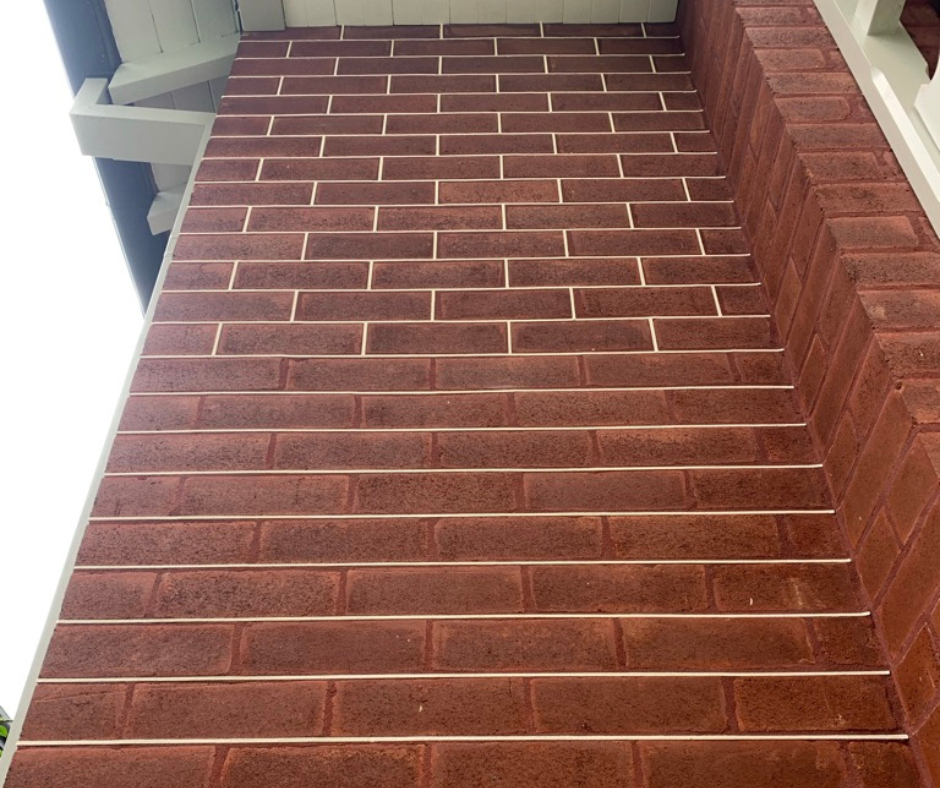
This is where masonry restoration expertise really matters. Failed or incompatible cement mortars may need to be carefully removed and replaced with appropriately specified mortars that allow the wall to breathe.
If the mortar is too hard or too dense, it can force stress into the brick, meaning the brick fails before the joint. Correct pointing helps manage moisture movement and protects surrounding masonry.
Step 5: Replacing damaged bricks or stones
Where bricks have blown or delaminated, they may need to be cut out and replaced with matching material. The aim is to restore integrity without creating a patchwork look or introducing incompatible materials.
Step 6: Breathable internal finishes and ongoing monitoring
Internally, breathable plasters and compatible finishing systems help avoid trapping moisture behind paint or render. Ongoing monitoring matters too, especially for strata buildings where minor changes outside (new paving, landscaping, irrigation) can reintroduce the problem.
Protecting Heritage Brickwork from Future Salt Damp
Practical Maintenance Checklist For Owners And Strata Managers
A few practical maintenance tips that reduce risk significantly:
- Check gutters, downpipes and overflow points regularly, especially after storms
- Keep garden beds, soil, and paving levels well below internal floor level and avoid bridging the DPC
- Don’t seal external walls with non-breathable coatings without specialist advice
- Schedule periodic masonry inspections, particularly after major building works or drainage changes
Everyday Habits to Reduce Moisture Loading
Small things add up:
- Keep subfloor ventilation openings clear
- Be cautious with irrigation near walls—drippers against brickwork are a slow-motion disaster
- Manage external water features and landscaping so water drains away from the building, not toward it
How Keystone Pointing Tackles Salt Damp in Brick Masonry
Keystone Pointing’s work is built around a simple priority, which is to preserve as much original masonry as possible through our meticulous brickwork repointing and tuckpointing while making the structure safe, durable and fit for living. We’re known for specialist brick repointing and masonry restoration across Sydney, with experience spanning heritage terraces, strata apartment buildings and commercial façades where access, safety and staging all matter. We also understand what does salt do to masonry over time, and how to stop that cycle before more original material is lost.
We take a practical, meticulous approach because treating salts without addressing moisture pathways is a repeat problem waiting to happen.
Keystone starts with a site inspection and a straightforward discussion about the building’s history, what you’re seeing on the walls and any past repairs. From there, you’ll get a clear scope that covers moisture control, repointing requirements, brick replacement if needed, and whether a DPC or specialist salt treatments are recommended.
We work with homeowners restoring heritage houses and terraces, strata managers and body corporates overseeing multi-unit buildings, and owners/managers responsible for older brick commercial façades. For strata and active sites, works are staged carefully to keep disruption to residents, tenants and access points to a minimum.
If you’re seeing early signs of salt damp or you’re unsure what’s happening in your walls,
call Keystone Pointing to book an inspection or request a quote and we’ll outline the safest, most durable repair approach for your Sydney property.
When to Call a Masonry Specialist
Situations Where DIY or “Quick Fixes” are Too Risky
There’s a time for simple maintenance and a time to call someone who understands masonry science and heritage materials. Bring in a specialist when:
- Bricks or stones are visibly crumbling, spalling or detaching
- Salt damage is affecting a heritage façade or a structurally important wall
- Past repairs (cement render, waterproof paints, hard patching mortars) have failed
- You’re responsible for public safety in shared strata or commercial areas
Key Takeaways
- Salt damp in masonry isn’t just damp, it’s salts crystallising inside bricks and mortar and weakening the wall over time.
- Older and heritage buildings are more vulnerable when damp-proof courses have failed or site drainage pushes moisture into the wall base.
- Early signs, such as fretting mortar, spalling bricks, tide marks and peeling paint, shouldn’t be ignored or painted over.
- Effective repair means controlling moisture, managing salts, and using compatible materials that let the wall breathe.
- A specialist heritage masonry team can stabilise, restore and protect original brickwork so it lasts for decades.
Frequently Asked Questions
What exactly is salt damp in masonry?
It’s when moisture carries salts into porous walls and the salts crystallise inside the masonry. Those crystals expand and break down mortar and brick over time.
What are the first signs of salt damp in brick walls?
Powdery salts (white residue), fretting mortar near ground level, spalling brick faces and recurring internal paint/plaster failure around skirtings are common early indicators.
Can salt damp cause structural damage to my home or building?
Yes. As salts repeatedly crystallise, they can weaken mortar joints and brick faces, contributing to cracking, loose sections and unsafe masonry, especially around openings and corners.
Is it possible to fix salt damp yourself or do I need a specialist?
You can address basics (like fixing downpipes and improving drainage), but diagnosing causes and repairing heritage masonry properly usually requires specialist input, especially if bricks are degrading or prior cement repairs exist.
How is salt damp treated in heritage masonry buildings?
The focus is on moisture control, careful desalination where needed, and compatible repairs (often breathable mortars/finishes) that don’t trap moisture and accelerate salt concentration.
How long does salt damp treatment and masonry restoration usually take?
It depends on severity, access and how much work is required (moisture control, desalination, repointing, brick replacement). Many projects are staged to suit occupants and minimise disruption.
Will treating salt damp change the look of my heritage brickwork?
Done properly, it shouldn’t “modernise” the building. Heritage-sensitive repointing and brick matching are designed to preserve character while restoring structural integrity.
How much does it typically cost to repair salt damp in brick walls?
Costs vary widely depending on the extent of damage, access (scaffolding, height), and required treatments. The most accurate path is to have a site inspection and scoped plan, because patch repairs can look cheaper upfront but fail quickly when the moisture source and salts haven’t been properly addressed, turning into repeat call-outs and a larger restoration later.
How can I prevent salt damp from coming back after repairs?
Keep moisture away from the wall base (drainage, downpipes, garden levels), avoid sealing walls with non-breathable coatings and schedule periodic inspections, especially after landscaping or paving changes.
Is salt damp in bricks worse near the coast?
Coastal exposure can increase salt-related stresses (salt in air and wind-driven moisture), but rising damp and trapped moisture are still the common drivers.
More Posts Like This: