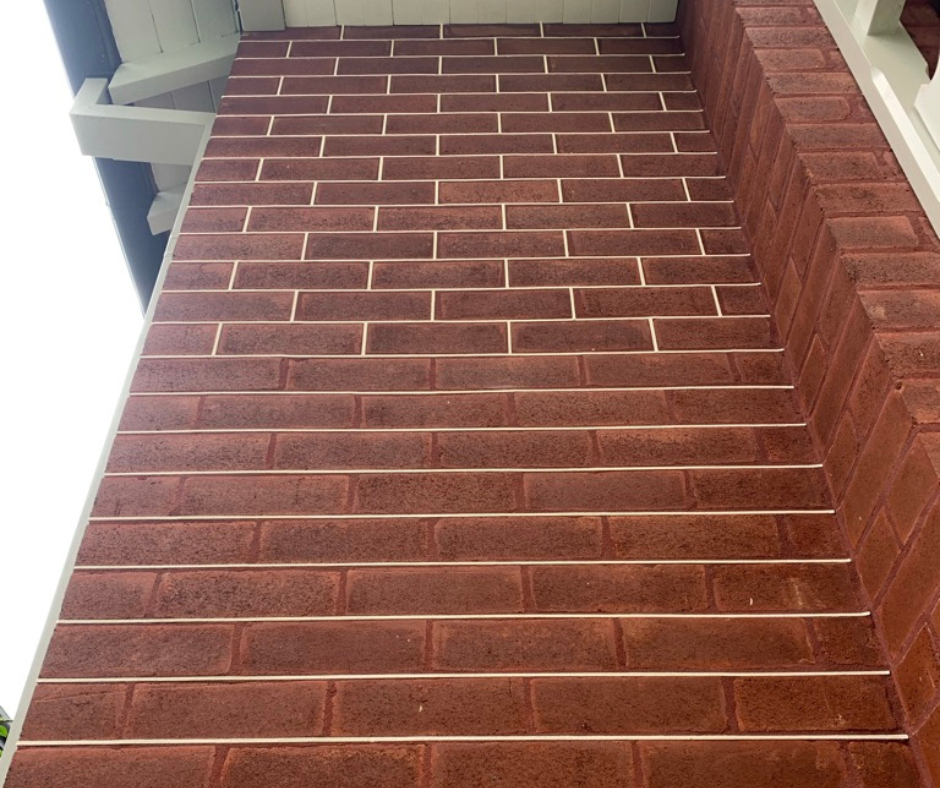
Weep Holes in Brick Walls: Why They Matter More Than You Think
Curious about those slim gaps along the bottom of your brick walls? They’re often the unsung heroes of your façade. When they’re functioning properly, you hardly give them a second thought. But once they’re blocked, covered over or “repaired” the wrong way, the knock-on effects show up fast, like musty odours, bubbling paint, salt deposits and damp that keeps returning no matter how often you clean it.
Most brick veneer and cavity walls are built with a gap behind the outer brickwork. That space needs to be ventilated and drained properly. When weep holes in brick walls are clear and working, they let moisture escape before it lingers long enough to trigger mould, timber rot, pests, or termites.
What are Weep Holes in Brick Walls and How Do They Work
Weep holes in brick walls are small openings, usually left in the mortar joints, designed to let water drain out of a wall system and allow airflow through the cavity. In practical terms, they’re the exit route for moisture that gets behind the brick skin.
You might see them as neat gaps in vertical joints (open head joints), as small plastic or metal vents, or as purpose-made inserts that keep the opening clear while reducing debris and pest access.
How Weep Holes Work in Masonry Cavity Walls
A typical cavity wall has an outer layer of brickwork (the “skin”), an inner structural wall (often frame or blockwork), and a gap between them. Even well-built walls can take on small amounts of moisture through wind-driven rain, tiny cracks, condensation from heating/cooling or minor plumbing leaks. Because brick and mortar are porous, that moisture can travel down the back of the brickwork and collect at the bottom of the cavity.
That’s where weep holes matter. They provide a controlled drainage point, helping water escape rather than pooling inside the wall. They also help ventilate the cavity so it can dry out faster after rain, especially important for shaded elevations or tightly spaced side passages where walls don’t get much sun.
Typical Locations and Spacing
Common locations include:
- The first course of bricks above the damp-proof course (DPC) or flashing line
- Above windows, doors and lintels (where flashings direct water out)
- Parapets, balcony upstands, retaining walls and some garden walls (where water pressure and runoff can build up)
In Australia, masonry construction standards require weep holes above flashings at set centres so moisture can drain effectively, so it’s not just “nice to have”, it’s part of how the system is meant to function.
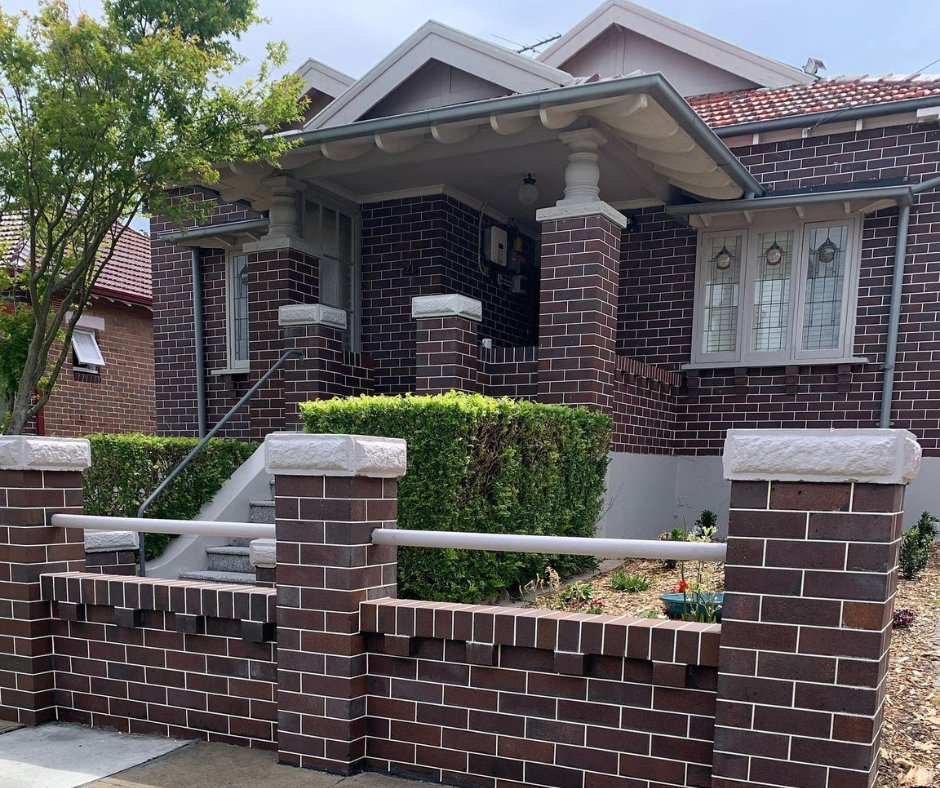
Why Weep Holes Are Non-Negotiable in Sydney Conditions
In Sydney’s mix of coastal weather, heavy downpours and varied building styles, the right wall drainage and ventilation details can be the difference between a dry, durable façade and ongoing problems that creep in fast.
Preventing Damp, Mould and Internal Damage
When weep holes for brick walls are blocked or missing, water can sit inside the cavity longer than it should. Over time, that trapped moisture can show up inside as:
- Damp patches or staining along the lower internal walls
- Mould growth and persistent musty odours (especially after rain)
- Deterioration of plasterboard, skirtings, timber framing and floor finishes nearby
If you’re in a coastal area, salt-laden air and regular exposure can also speed up deterioration in mortar and metal components, so moisture management becomes even more important.
Protecting Structural Integrity
Moisture doesn’t just “dry out eventually” if the cavity can’t vent and drain. It can corrode wall ties, weaken mortar joints and contribute to fretting brickwork (where the brick face powders and breaks down). In older homes, persistent damp can also accelerate cracking around openings like windows and doors, where water is meant to be directed out via flashings and drained through weeps.
Pest and Termite Considerations
Here’s the balance most homeowners and strata managers need to strike: you want the wall to breathe and drain, but you don’t want to roll out a welcome mat for pests.
Weep holes that are set too low, left wide open or bridged by mulch and soil can become an easy access point for:
- Termites and other timber pests
- Ants, cockroaches, spiders and nesting insects
- Mice and other small rodents
The solution usually isn’t “seal them up”. It’s making sure they’re clear, correctly positioned relative to ground level and protected using appropriate inserts or screening that still allows drainage and airflow.
Bushfire and Ember Attack Risk (For At-risk Areas)
If you’re in or near bushland interface suburbs, weep holes can be a pathway for ember entry during an ember attack. That doesn’t mean you need to block them, it means you use ember-resistant screening designed for that purpose while maintaining the weep hole’s ventilation and drainage function.
Common Problems With Weep Holes in Brick & Masonry Walls
Most weep hole issues aren’t dramatic, they’re simple oversights that quietly stop the wall from draining and drying the way it was designed to.
Blocked or Bridged Brick Wall Weep Holes
This happens when something covers the openings, like garden beds and soil built up against the brickwork, new paving or decking set too high, paint or render bridging over the gaps, or debris like cobwebs and leaf litter. Once blocked, water can’t escape and damp pressure builds in the cavity.
Weep Holes for Brick Walls Installed Too Low
If weep holes sit too close to the ground (Australian guidance commonly notes at least 75 mm clearance from finished ground level), paths, landscaping or raised beds can reduce airflow, increase splashback and make it easier for pests to access the cavity.
Missing or Poorly Spaced Brick Wall Weep Holes
Some older or poorly built walls have no weep holes at all, long stretches with no openings or weeps only on one elevation, issues that are often flagged during a building inspection or a proper masonry condition assessment.
DIY “Fixes” That Cause More Harm Than Good
Stuffing weep holes with steel wool, sealing with silicone or mortar, or adding generic mesh that blocks airflow can fully plug the opening, trapping moisture and setting the wall up for longer-term damp and masonry deterioration.
How to Check the Weep Holes Around Your Property
Here’s a quick visual inspection guide:
You don’t need special tools to start. A quick perimeter walk can reveal a lot:
- Walk the building perimeter at ground level (including side passages and courtyards).
- Look for small gaps or inserts between bricks along the lowest courses.
- Check for soil, mulch, concrete or render bridging over brickwork.
- Look for staining, efflorescence (salty white deposits) or mould around openings.
- Note any long sections with no visible openings at all.
If you’re not sure what you’re looking at, remember that brick wall weep holes are usually consistent and evenly spaced, not just random cracks.
Priority Areas to Review
Pay extra attention to areas that regularly trap moisture or take a beating from the weather:
- Garden retaining walls and planter boxes against the building
- Balconies, parapets and podium edges (where water can pool)
- Chimneys and boundary walls (often exposed, often older mortar)
- Older extensions, where trades have worked in layers over time
When Previous Works Might Have Compromised the Weep Holes
Repainting, rendering, repointing, recladding and even pressure washing can accidentally fill, bridge or damage weep openings if drainage isn’t part of the plan. A masonry specialist will factor in moisture pathways before “making it look tidy” because tidy on the outside can mean trapped moisture behind.
Can You Cover or Close Weep Holes for Brick Walls?
Why Blocking the Weep Hole is a Bad Idea
People usually want to block weep holes for two reasons: pests and drafts. The catch is that fully blocking them removes the wall’s escape route for moisture. Over time, that can lead to damp, mould and structural deterioration, particularly around lower walls, shaded areas and coastal exposures where drying is slower.
Safer Options: Screening and Purpose-designed Products
If pests are the concern, look for purpose-made weep hole inserts or screens designed to:
- Maintain airflow and drainage
- Reduce insect and rodent access
- Suit bushfire ember-screening requirements in relevant zones
Avoid improvised “plug” solutions. The goal is to protect the opening without stopping the wall from breathing.
What the Standards Actually Care About
At a high level, the standards focus on function:
- Weep holes must allow cavity moisture to drain (especially above flashings).
- In bushfire-prone areas, weep holes may need ember protection that still allows ventilation and drainage.
If you’re unsure what’s appropriate for your property (especially with a renovation, extension or heritage façade), it’s worth getting advice from a masonry expert before modifying anything that’s meant to manage moisture.
Weep Holes and Heritage Brickwork
Older Buildings vs Modern Cavity Walls
Not all “old brick walls” are constructed the same. Some heritage buildings are solid masonry with no cavity, while others (especially later renovations, rear additions or rebuilt outer skins) use cavity wall construction. That distinction matters because moisture behaves very differently in solid walls than it does in cavity systems.
Protecting Character While Managing Moisture
The best heritage repair work is subtle. It improves performance without changing the building’s feel. Careful repointing and tuckpointing can:
- Restore failing mortar joints and reduce water ingress
- Improve drying pathways (without trapping moisture behind coatings)
- Integrate drainage considerations in a way that doesn’t cheapen the façade
Avoiding Common Restoration Mistakes
A heritage-focused contractor won’t:
- Smear mortar across the intended weep gaps “to make it neat”
- Add coatings or render systems that trap moisture in older masonry
- Ignore moisture pathways while focusing only on surface appearance
Practical Brick Wall & Weep Holes Maintenance
Seasonal and Event-Based Checks
Make weep holes part of your “after weather” routine. After heavy rain, storms, or localised flooding, check for:
- New water staining on internal walls
- Fresh efflorescence on external brickwork
- Insects nesting or debris collecting at openings
Landscaping and Ground-level Management
A surprising amount of moisture trouble starts with well-meaning landscaping. Best practices include:
- Keep garden beds and mulch below the first course where weeps are visible
- Avoid paving that sits above damp-course level
- Make sure downpipes and surface drainage direct water away from brick walls (no pooling along the base)
When to Call in an Expert
Call a specialist masonry contractor like Keystone Pointing if you notice:
- Damp patches that keep returning after painting
- Widespread fretting of mortar or cracking around openings
- Loose bricks, bulging sections or visible movement
- Concerns raised in a building inspection or pest inspection report
When Weep Hole Issues Point to Bigger Masonry Problems
Signs of Moisture Damage
Red flags that suggest moisture is lingering where it shouldn’t:
- Blistering paint or damaged plaster inside
- Mould on skirting boards or lower wall sections
- Salt deposits (efflorescence) on external brickwork
- Musty odours that return soon after cleaning
If these symptoms flare up after rain, that’s a strong clue the wall isn’t draining or drying properly.
Fretting Mortar, Cracks and Structural Risks
Moisture accelerates masonry deterioration. Over time:
- Mortar can soften, crumble and fall out of joints
- Bricks can spall (faces break away)
- Wall ties can corrode and lose strength, allowing the brick skin to bow or crack
Professional Remedial Options
Depending on what’s found, remedial work can include:
- Brick repointing to restore joints and reduce water ingress
- Brick replacement for severely damaged units
- Wall tie replacement where corrosion has compromised structural stability
- Lintel repairs and related brickwork reinstatement around openings
- Reinstating or adding weep holes where appropriate, alongside correct flashings and detailing
The key is sequencing: fix the causes (moisture entry and poor drainage), then restore the masonry so the repair lasts.
Working With a Specialist Masonry Contractor
Why Weep Holes Should Be Part of Any Brick Repair Conversation
A wall is a system. Brickwork, mortar joints, flashings, ties, lintels, movement joints and drainage details all interact. If you only address what’s visible, say, a few cracked joints, you can miss the reason those joints failed in the first place.
That’s why any quality masonry repair conversation should include weep holes, moisture pathways and the condition of the surrounding brickwork, not as an afterthought, but as part of the diagnosis.
What a Typical Remediation Project Looks Like
A practical, heritage-aware process usually looks like this:
- On-site inspection and consultation
- Identifying moisture sources, damaged mortar and compromised drainage points
- Agreeing on a remedial scope (repointing, tuckpointing, brick replacement and reinstating drainage details)
- Careful execution with attention to heritage detailing where relevant
- Final clean-down and handover guidance for maintenance
Why Choose Keystone Pointing for Weep Hole–Related Masonry Repairs
Keystone Pointing focuses on heritage and remedial masonry across Sydney. With 17+ years’ experience, licensed and qualified tradespeople, and HBCF insurance for eligible projects, our team approaches damp and brickwork issues as a structural-and-aesthetic package, not just a quick cosmetic patch.
We deliver a full suite of remedial and heritage masonry services that often sit behind weep-hole symptoms, such as brick repointing, tuckpointing and structural repairs like arch bar and lintel replacement, as well as careful heritage restoration to protect character while improving performance.
If you’re dealing with recurring damp, deteriorating mortar or you suspect your weep holes have been compromised, get in touch with our team for a site assessment and clear, practical advice on the right fix.
Keep the Wall Breathing, Keep the Masonry Sound
Weep holes are meant to be there. Most problems show up when they’re blocked, bridged, altered or ignored, often after landscaping changes, repainting, rendering or years of gradual mortar wear. A quick perimeter check can catch the obvious issues early, before damp becomes a bigger (and more expensive) masonry problem.
If you’re seeing recurring moisture, visible deterioration or you’re working with older brickwork where character matters, it’s worth getting a specialist assessment. Keystone Pointing can help identify what’s really happening behind the brick skin and recommend heritage-friendly repairs that protect both the look and the long-term integrity of your property.
Key Takeaways
- Weep holes are deliberate openings that let moisture escape from brick wall cavities.
- Blocking weep holes can lead to damp, mould, decay and structural damage.
- Correct weep hole design and maintenance can reduce pest entry and bushfire ember risk in relevant areas.
- Landscaping, paving and DIY “fixes” often cause unintended problems by covering or filling weep holes.
- Ongoing issues such as fretting mortar, cracks or bulging brickwork should be assessed by a specialist masonry contractor.
- Keystone Pointing can combine weep hole considerations with heritage-friendly repointing, tuckpointing and brick repairs across Sydney.
Frequently Asked Questions
What is the purpose of weep holes in brick walls?
Weep holes allow moisture to drain from the wall cavity and help the cavity ventilate so it can dry out after rain or condensation.
Where should weep holes be located in a brick veneer wall?
Typically, along the lowest courses above the DPC/flashing line and above windows/doors where flashings are installed, so water can exit at the correct points.
What happens if weep holes in brickwork are blocked?
Moisture can become trapped in the cavity, increasing the risk of damp, mould, salt deposits, and gradual masonry and internal finish deterioration.
Should I cover weep holes to stop mice, insects or drafts?
Avoid fully blocking them. If pests are a concern, use purpose-designed inserts or screens that maintain airflow and drainage.
How far above ground level should brick weep holes be?
A commonly referenced inspection guideline is at least 75mm clearance from finished ground level so the openings aren’t bridged by soil or paving.
Do older or heritage brick buildings have weep holes?
Some older walls are solid masonry (no cavity), while later alterations or rebuilt skins may be cavity construction. A masonry specialist can identify the wall type and recommend the right moisture-management approach.
How can I tell if my weep holes are causing damp inside the house?
Look for lower-wall damp patches that worsen after rain, musty odours, mould near skirtings and external efflorescence. These often point to moisture not draining or drying properly.
Can weep holes be added to an existing brick wall?
In some cases, yes, but it depends on the wall construction, the presence of flashings and how the façade needs to look (especially for heritage work). It should be assessed and detailed properly, not improvised.
Who should I call if I’m worried about my weep holes or damp brickwork?
A specialist masonry contractor with remedial and heritage experience, like Keystone Pointing, can assess moisture pathways, mortar condition and any related structural risks.
How often should weep holes and external brickwork be inspected?
A simple visual check once or twice a year is a good baseline, with extra checks after heavy rain, storms, landscaping changes or external renovation work.
More Posts Like This: