Are Cracks in Mortar Joints Serious? When Should You Really Worry?
Seeing a new line in the mortar can trigger the big question: “Is this structural?” In many Sydney homes, especially on old brick units, brick veneers, and coastal properties, not every crack means danger. Mortar is designed to take a bit of movement and weathering, and it often shows the first signs of stress long before bricks do.
The trick is learning to read pattern + progression. A fine crack that never changes can be low-risk. A crack that widens, repeats after patching, or comes with bulging and sticking doors is a different story.
This guide shows you how to identify common types of cracks in mortar joints and spot red flags with simple checks. You’ll also learn the most likely causes and how to choose the right fix, from cosmetic patching to repointing or deeper structural investigation. If you want a second opinion,
Keystone Pointing can assess what’s causing the cracks so you don’t spend money on the wrong repair.
Cracks in Brick Mortar Joints Explained
Why the Joint is Often the First “Failure Point”
Mortar is the sacrificial element in brickwork. It’s meant to weather the weather first before anything else. Bricks are fired to be hard and durable, while mortar is formulated to be more forgiving, absorbing small movements, accommodating thermal expansion, and allowing moisture to evaporate out of the wall rather than trapping it.
That’s why you can see cracking in joints even when the bricks still look “fine.” This is especially common where walls cop:
- Rain and wind
- Strong sun on one elevation and shade on another (daily thermal swing)
- Ongoing exposure to salts and pollution
Cracks can also telegraph stress points early, around openings, corners, or where an extension meets an older wall.
Mortar Cracking vs Repointing Needs
Not all mortar joints cracking mean you need repointing, but the mortar condition matters as much as the crack itself. Repointing is often the right call when you notice:
- Fretting or crumbling mortar
- Recurring cracks that come back after patching
- Moisture entering the joints
- Visible gaps, missing mortar, or joints that look “hollowed out”
A useful rule of thumb to keep in mind is that if the mortar is losing its shape, integrity or weather seal, the wall is telling you it’s time for a proper repair, not a surface cover-up.
Common Causes of Cracks in Mortar Joints
Cracking rarely has just one cause. It’s usually a mix of movement + moisture + time. Below are the most common culprits we see across Sydney homes:
Natural Settling
Minor hairline cracks in brick mortar joints can happen as structures settle, particularly in the early years after construction or after renovations that change loads (like opening up a room or adding a second storey). If the crack is thin, stable, and not paired with other symptoms, the best first step is often monitoring, not panicking.
Moisture + Temperature Cycles
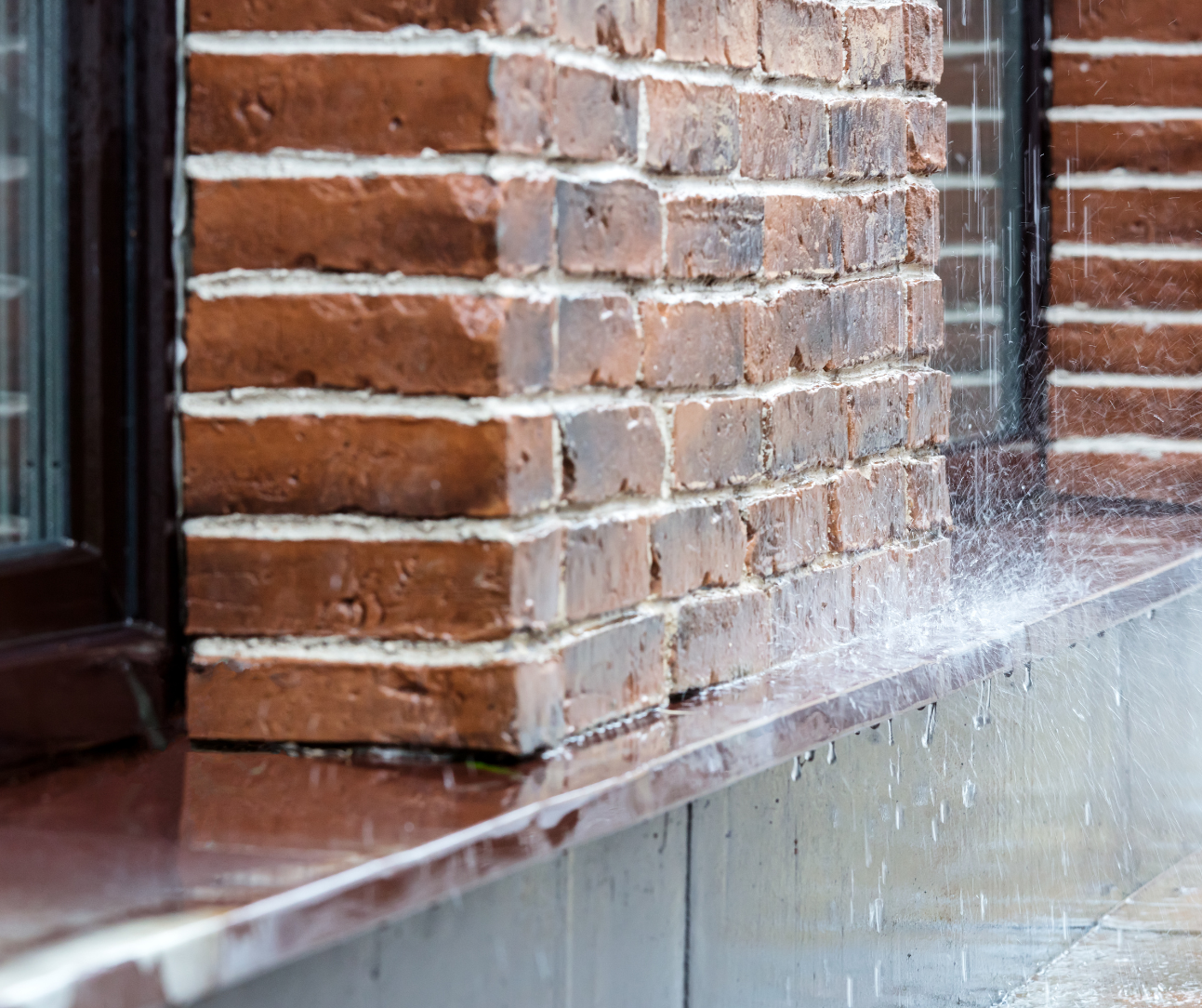
Sydney’s weather can be tough on masonry due to humid periods, sudden downpours, hot spells and cooler nights. Mortar expands and contracts with temperature, and it can weaken when it repeatedly absorbs and releases moisture.
The risk with delaying repairs isn’t the crack line itself. It’s what the crack lets in. Water entering joints can:
- Accelerate mortar deterioration
- Promote salt deposits (efflorescence)
- Increase the chance of brick spalling in older walls
- Create damp patches and musty smells inside
Foundation Movement/Subsidence
Ground movement transfers stress into walls, and mortar joints often show it first. Seasonal moisture changes can make some soils shrink and swell, and that uneven movement can translate into cracking, especially where different parts of the house move at different rates. If you repair the mortar without understanding why it’s moving, the cracks can return. The best masonry repairs are the ones matched to the cause, not just the symptom.
Poor Materials/Workmanship
Not all mortar is equal and not all applications are done well.
Early cracking can be linked to:
- Mortar mix that’s too hard or too weak for the wall
- Poor joint compaction (mortar not properly packed)
- Inconsistent joint depth or finishing
- Fast deterioration in random patches rather than gradual, even weathering
Wall Tie Issues
In cavity walls and brick veneer construction, wall ties connect the brickwork to the structural frame or inner leaf. If ties corrode, fail, or were poorly installed, sections of brickwork can move independently.
This isn’t a DIY diagnosis. Tie issues often need a professional assessment because the fix can involve targeted replacement rather than cosmetic repair.
Mortar Joints Causing Crack Patterns And What They Usually Mean
Crack is one of the most useful clues you can check without the need of tools. Here’s what common patterns usually suggest and what to watch next.
Hairline Cracks in Mortar Joints
Hairline cracks are thin and can look like pencil lines along a joint. If they’re stable over time and not paired with other symptoms, they’re often cosmetic or linked to minor movement or shrinkage.
Lower concern signs:
- The crack is very fine and doesn’t change
- No new cracks are appearing nearby
- No damp, bulging, or changes to doors/windows
Still, it’s smart to keep an eye on them, especially in areas exposed to harsh weather.
Stair-step (Zigzag) Cracking Along Mortar Lines
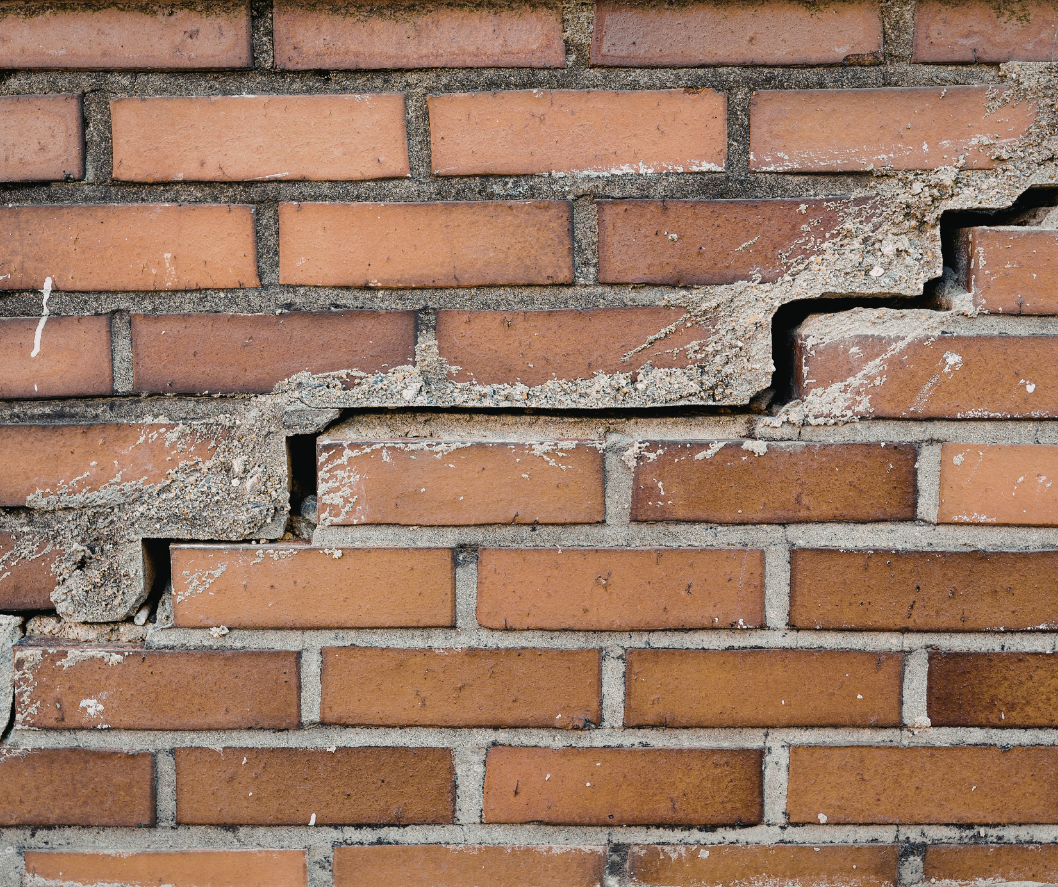
Stair-step cracking runs along mortar lines in a stepped, zigzag pattern, often around windows and doors, near corners or where walls change height or direction. This pattern is watched closely because it can be connected to movement (including uneven footing movement) or issues in brick veneer systems. What matters most is whether it’s active:
- If it’s old and unchanged, it may relate to historic settling
- If it’s widening, spreading, or newly appearing, it deserves a closer look
Vertical Cracking Through Joints
Vertical cracks are often linked to movement, shrinkage, or stress concentration. On their own, they’re not automatically “structural,” but pay attention to:
- Uneven width (wider at the top or bottom)
- Cracks that travel through multiple storeys
- Cracks that keep extending
Vertical cracks can also show up where different materials meet, such as an old wall tied into a newer extension.
Horizontal Cracking
Horizontal cracking generally warrants more urgency. It can be associated with structural stress, restraint issues, or lateral pressure, particularly when paired with other symptoms.
Treat horizontal cracks as a “check this sooner” item, especially if:
- The crack is widening
- It’s long and continuous
- It’s accompanied by bulging or separation
Bulging/Bowing With Cracking
If cracking comes with visible bulging, bowing, or a wall that feels “out of plane,” don’t treat it as a cosmetic repair. This combination suggests instability, potentially from tie failure, moisture-related deterioration, or movement that’s progressed beyond surface cracking. This is the moment to get an evaluation from a
licensed professional, because the goal shifts from “hide the crack” to “make the wall safe and stable.”
When Mortar Cracks Become a Real Concern: A Simple Checklist
You don’t need to be a builder to do a useful first check. The secret is to document change and look for paired symptoms.
Measure and Track Changes
Progression is one of the biggest risk signals. Here’s a simple method:
- Take a photo from the same angle and distance each time
- Use a ruler, coin, or tape measure in the photo for scale
- Check monthly (or after major rain events)
Red Flags that Justify a Professional Inspection
Book an assessment if you see any of the following:
- Cracks widening or spreading over weeks/months
- Horizontal cracks
- Cracks with bulging/bowing
- Cracks that reappear after patching
- New door/window sticking, or new gaps around frames
- Moisture signs, like damp patches, efflorescence or mould smells near walls
What You Can Do Next
The “right” repair depends on whether the crack is superficial or a symptom of deterioration or movement.
DIY “Cosmetic” Fixes
DIY can be appropriate only when cracks are:
- Small
- Stable over time
- Superficial (no missing mortar, no soft/fretting joints)
- Not paired with moisture, bulging, or door/window changes
Repointing
Repointing is the proper repair when mortar is failing, not just cracked. A quality repointing process generally involves:
- Raking out deteriorated mortar to the correct depth (not just scratching the surface)
- Cleaning the joint so that new mortar bonds properly
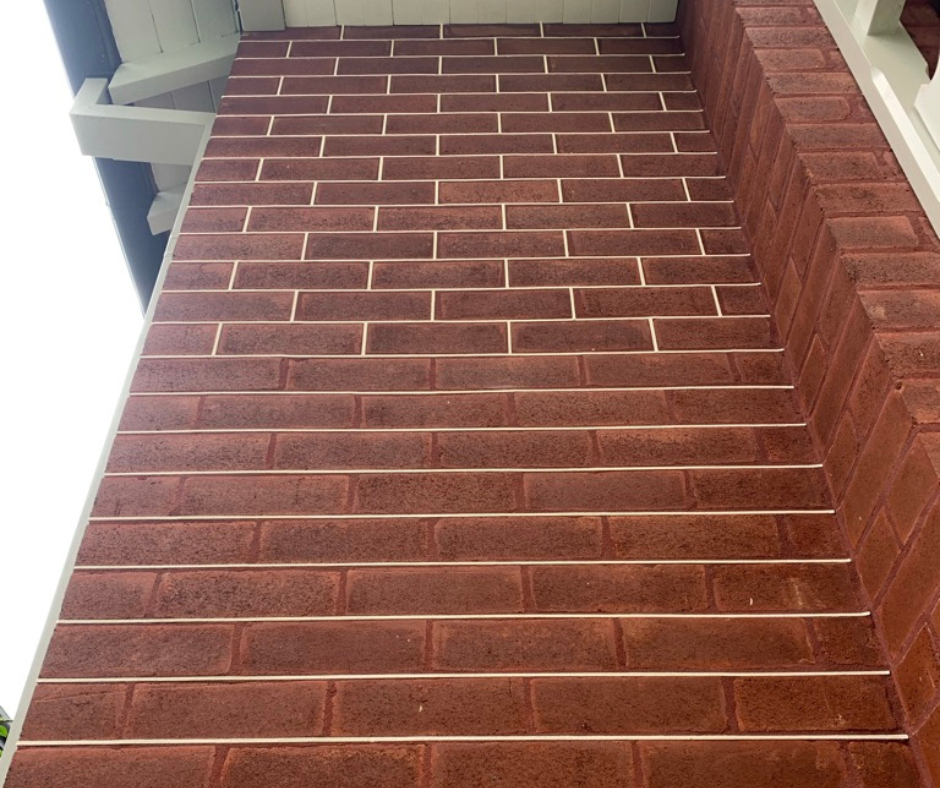
- Replacing with new mortar matched for strength, colour and joint finish
If your wall has active moisture issues or the mortar is soft and crumbling, repointing is usually the difference between “temporary patch” and “lasting repair.”
Tuckpointing
Tuckpointing is a specialised finishing technique used to achieve crisp, heritage-style joint lines, often where visual consistency matters as much as function.
It’s ideal when you want:
- A traditional, clean-lined look
- A finish that suits older brickwork styles
- Careful colour matching so repairs don’t stand out as patches
Wall Tie Replacement
Wall ties keep masonry connected and stable in cavity and veneer walls. When ties fail, brickwork can shift, sometimes subtly at first, then progressively.
Signs that can point to tie issues include:
- Cracking patterns that repeat in a consistent area
- Movement or looseness in a veneer wall
- Bulging sections combined with cracking
When the Fix is Not Masonry
Sometimes the wall is the messenger, not the problem.
If movement is the underlying cause, masonry repairs alone may not last. In those cases, the right sequence is:
- Identify what’s moving and why
- Address the underlying driver (ground conditions, drainage, structural factors)
- Repair masonry once the situation is stabilised
This approach is slower than “fill and paint,” but it’s how you avoid paying twice.
How Keystone Pointing Approaches Mortar Joint Cracking
Keystone Pointing is built around remedial bricklaying and heritage restoration, meaning the job isn’t just making walls look good today, but making repairs for cracks in mortar joints that hold up in real Sydney conditions.
Before recommending a repair, Keystone Pointing takes a diagnosis-before-repair approach:
- Crack pattern review (shape, direction, location)
- Mortar condition assessment (strength, fretting, gaps, joint depth)
- Moisture and exposure considerations (weathered faces, damp signals, salt influence)
- A repair recommendation matched to the cause (whether that’s repointing, tuckpointing, wall tie replacement or investigation for more complex structural issues)
Our team is licensed and qualified, and we carry necessary insurance, so you can have peace of mind that the work is done properly and safely, with the right protections in place from start to finish.
If you’re unsure whether a crack is cosmetic or concerning, the simplest next step is to
schedule an inspection with our team, so we can help you determine the likely causes before you commit to a repair.
Don’t Guess! Read the Pattern, Track the Change, Fix the Cause
Mortar joint cracks are common in Sydney. The urgency comes down to pattern and progression, not just the fact that a line exists.
If mortar is deteriorating, gaps are forming or moisture is finding its way into the wall, early action is usually cheaper than waiting. If movement is driving the cracking, getting the right diagnosis first can save you from repeat patch jobs.
If you want clarity on what you’re seeing, Keystone Pointing can assess your wall, explain what’s happening and recommend the most appropriate repair.
Key Takeaways
- Hairline mortar joint cracks that don’t change are often less urgent, but still worth monitoring.
- Stair-step cracks deserve attention, especially if growing or near openings.
- Horizontal cracks and bulging/bowing are red flags that warrant professional advice.
- Repointing restores deteriorated mortar and helps protect brickwork from moisture.
- If the underlying movement is present, cosmetic patching won’t hold long-term.
Frequently Asked Questions
Are cracks in mortar joints always a structural problem?
Not always. Many are cosmetic or related to minor settlement or weathering. The key indicators are crack pattern, width and whether it’s changing over time combined with any paired symptoms like bulging, damp or sticking doors/windows.
What causes hairline cracks in mortar joints?
Hairline cracks can come from normal shrinkage, minor movement, temperature changes or early-stage weathering. If they remain stable and there are no other symptoms, they’re often lower priority, but still worth monitoring.
What do stair-step cracks in mortar joints mean?
Stair-step cracks can be linked to movement and commonly show up around openings and corners. They can reflect historic settling, but if they’re new or worsening, it’s wise to get them assessed, especially if other changes are appearing in the home.
When should I worry about horizontal cracks in brick mortar?
Horizontal cracks are more concerning than many other crack types, particularly if they’re long, widening, or paired with bulging/bowing. They should be inspected sooner rather than later.
How can I tell if cracks are from foundation movement or wall tie issues?
Checking for visible clues can help (like where the cracks appear and whether there are other house-wide movement signs), but confirming the cause usually requires professional assessment. Foundation movement often comes with multiple internal signs and tie issues can present as localised wall movement in veneer/cavity walls.
Can I fill mortar joint cracks myself or will they come back?
You can fill small, stable, superficial cracks, but if moisture, deterioration or ongoing movement is present, cosmetic fills often fail. Recurring cracks are a sign that the cause hasn’t been addressed.
What is brick repointing, and how long does it last?
Repointing is removing deteriorated mortar to the correct depth and replacing it with new mortar matched to the wall. Longevity depends on exposure, workmanship and choosing a compatible mortar, but done properly, it’s a long-term repair rather than a patch.
What’s the difference between repointing and tuckpointing?
Repointing restores the mortar joints for function and weather sealing. Tuckpointing is a specialised finishing technique that refines the look of the joints (often for heritage-style presentation) while still renewing the mortar.
Do cracked mortar joints increase the risk of damp or mould?
They can, especially when cracks open pathways for water. Over time, moisture entry can lead to efflorescence, internal damp patches and musty smells near affected walls.
How much does repointing or mortar joint repair typically cost in Sydney?
Costs vary widely depending on access, wall height, joint condition, heritage requirements and how much area needs work. The most accurate approach is a site inspection that considers the wall’s exposure and the right mortar specification.
More Posts Like This: