How Often Do You Need to Repoint a Brick House?
Brick homes look like they will stand forever, so the soft mortar holding them together is easy to forget about. The trouble is that mortar does not last as long as the bricks, and when it starts to fail, it tends to do so quietly, joint by joint.
If you own a brick home, sooner or later, you will wonder how often do you need to repoint a brick house. The honest answer is that no single number fits every home, and most of the figures you find online were written for cold overseas climates rather than for Sydney conditions. What really sets the timeline is the condition of the
mortar, the materials your home was built with, and where it sits.
How Often Do You Need to Repoint a Brick House in Sydney?
As a general guide, well-built brickwork can go several decades between repointing, but condition matters far more than any fixed number on a calendar. In Sydney, the humid, coastal climate tends to wear mortar faster than the drier or colder places most online figures come from, so exposed walls can need attention sooner than you might expect.
Keystone Pointing, a Sydney repointing and heritage brickwork specialist with over 14 years of experience, recommends judging the job by the state of the mortar rather than the age of the house. If you can rake mortar out of a joint with a key or screwdriver, it is already due. For most homes, a professional brick repointing assessment every few years is enough to catch it early, well before it becomes a structural problem.
What Actually Decides How Often a Brick House Needs Repointing
Age is the weakest predictor of the lot. Two near-identical homes on the same street can be decades apart in terms of when they need work, because the real timeline for repointing a brick house is set by materials, exposure and workmanship, not simply the year it went up.
These are the factors that move the timeline:
| Factor | Why it matters | Effect on timing |
|---|---|---|
| Original mortar | Older lime mortar behaves very differently to modern cement | Sets the baseline lifespan |
| Mortar type | Soft lime breathes; hard cement can trap moisture | The wrong mortar shortens it sharply |
| Exposure | Coastal, salt-exposed and weather-facing walls take a beating | Can cut the interval well down |
| Aspect | Weather-facing walls stay damp longer after rain | Shortens it |
| Previous work | Poorly matched past repointing fails early | Brings the next job forward |
Understanding what causes mortar to break down in the first place is what turns guesswork into a sensible plan
How Sydney's Climate Changes the Timeline
Here is the part almost every online guide gets wrong for an Australian reader. Most repointing advice is written for the UK, the US or Canada, where the main enemy is freeze-thaw, where water gets into the joint, freezes, expands and cracks the mortar apart. Sydney barely sees frost, so that does not really apply here.
Sydney's climate is humid subtropical, with high annual rainfall and long stretches of humidity. Add the salt-laden air along the eastern and northern beaches, heavy downpours, and strong sun that dries and stresses the joints, and you get a different kind of wear. Moisture and salt damp, not frost, are what quietly break Sydney mortar down. That means coastal and exposed brickwork can need attention sooner than the overseas figures suggest, while a sheltered wall further inland may go comfortably longer.
Signs You're Due for Repointing a Brick House
Condition is the real trigger, and the good news is that most of the signs of failing mortar are visible from the ground once you know what to look for. Take a slow walk around the house and check for:
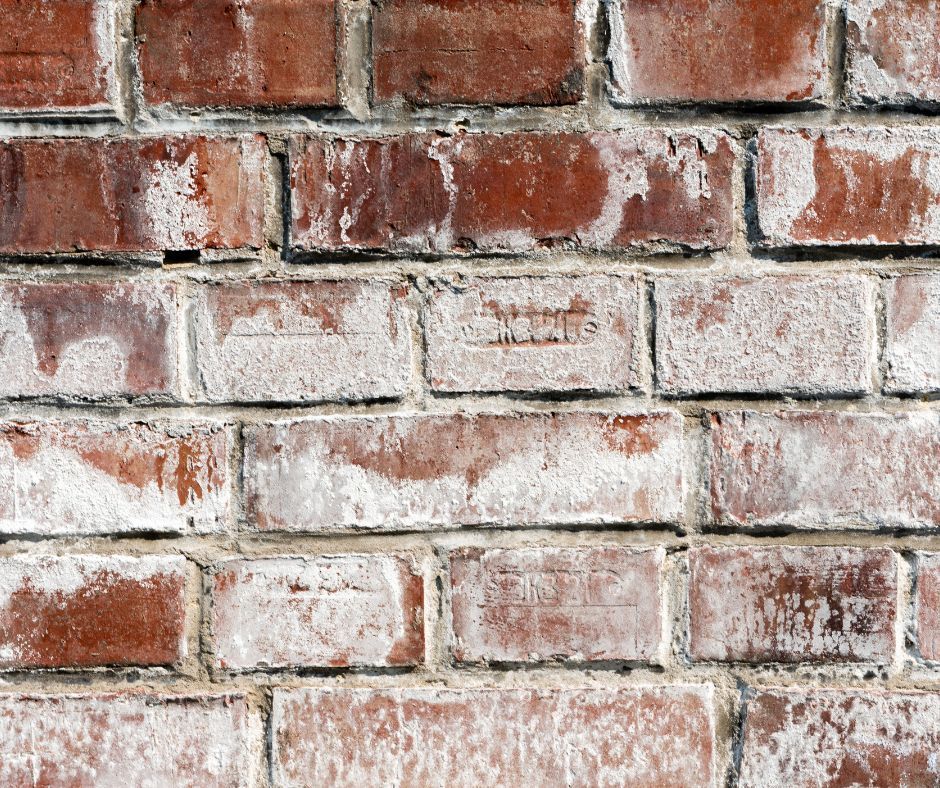
- Crumbling or powdery joints, a condition known as fretting mortar
- Cracks or gaps opening up in the mortar lines
- Mortar you can rake out easily with a key or screwdriver
- Damp patches on interior walls, especially lower down
- Loose or slightly shifted bricks
- Moss or greenery sitting in the joints
A useful rule of thumb: once the mortar has eroded back noticeably from the face of the brick, it has stopped doing its job of shedding water. These early warnings are what decide whether house brick repointing stays a straightforward, planned job or turns into something much bigger.
What Happens If You Leave It Too Long
A failed mortar is not just an eyesore. Once mortar joint deterioration sets in, water starts finding its way behind the face of the wall, and from there the damage compounds. You move from crumbling joints to internal damp, then to spalling and cracking bricks, loose bricks, and eventually structural movement that is far dearer to put right.
Repointing done on time is routine maintenance, priced accordingly. Once left too late, it stops being repointing at all and becomes brick replacement and structural repair, which costs many times more and takes far longer to fix. The cheapest version of this job is almost always the one you book early.
Heritage & Federation House Brick Repointing: Why the Timeline Is Different
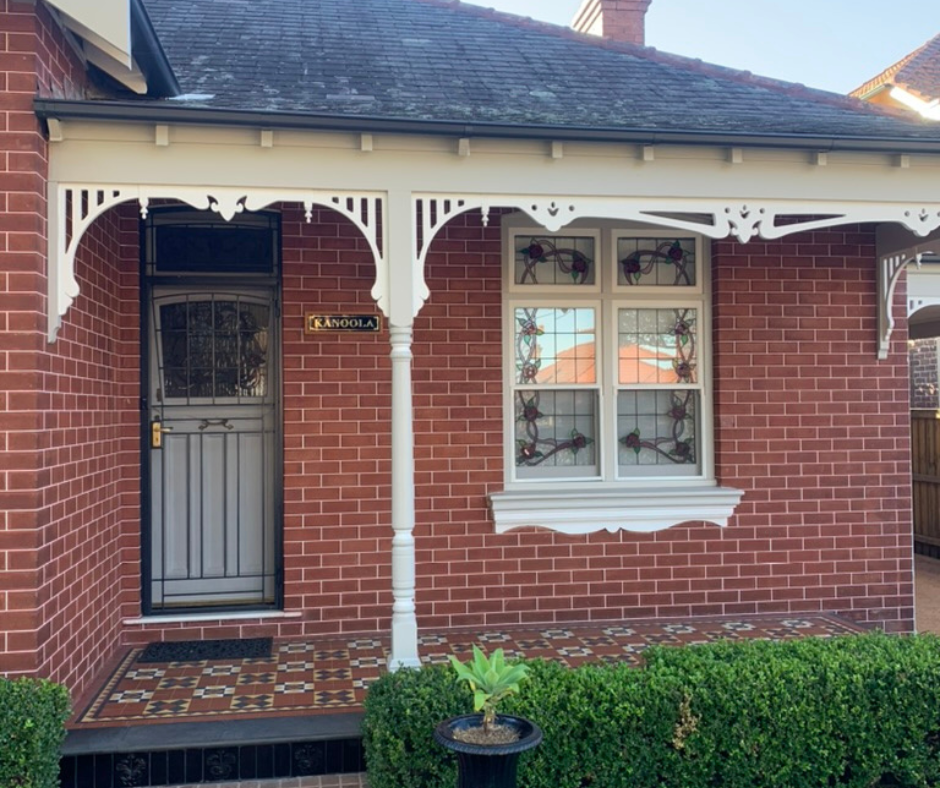
Sydney is home to a large number of Federation and Victorian-era brick homes, and they follow their own rules. These houses were built with soft lime mortar designed to flex and breathe, drawing moisture out of the wall and releasing it. It is a system that works beautifully when it is respected.
The problem comes when an older home is patched with hard modern cement. On a heritage home, the choice between lime mortar vs cement mortar changes everything. Cement traps moisture against soft, old brick, which can crack and spall the brick itself and bring the next round of work forward.
That is why repointing a brick house from this era rewards regular inspection and the right materials over a fixed interval.
Keystone Pointing has worked on plenty of these homes across Sydney.

Can You Slow the Clock Between Repointing Jobs?
To a point, yes. Good brickwork maintenance will not stop mortar ageing, but it genuinely slows it down.
These few simple habits make a real difference:
- Keep gutters and downpipes working so walls are not constantly soaked
- Clear moss and climbing plants off the brickwork
- Make sure weep holes stay clear so the wall can drain and breathe
- Deal with any damp source early rather than letting it sit against the masonry
None of this removes the eventual need to repoint. What it does is buy you time and keep the job small when it finally comes around.
So, How Often Should You Repoint?
There is no universal answer to how often do you need to repoint a brick house, but there is a reliable rule: watch the mortar, not the calendar. Condition beats age every time, and in Sydney, the coastal, humid climate means local eyes matter more than an overseas rule of thumb.
If you are not sure where your brickwork stands, it is worth having it looked at properly. Keystone Pointing offers free assessments and quotes right across Sydney, so you can get in touch and catch small problems while they are still small.
Key Takeaways
- There is no single set interval for repointing. The condition of the mortar matters far more than the age of the house.
- Most online frequency figures come from cold climates and freeze-thaw damage, which is not Sydney's concern.
- Sydney's humid, coastal conditions and salt air can shorten the interval for exposed brickwork.
- The reliable trigger is what you can see, such as crumbling or receding mortar, gaps, damp inside, or loose bricks.
- Older and heritage homes need lime-compatible mortar, and the wrong repair can bring the next repointing forward.
- Repointing or tuckpointing on time is routine maintenance; leaving it too long turns into brick replacement and structural repair.
Frequently Asked Questions
How often does a brick house need repointing?
There is no universal number. Well-built mortar can last several decades, but its condition and exposure decide it. In Sydney, coastal and weather-facing walls often need attention sooner, so it is best to judge by the state of the joints rather than the age of the home.
How long does repointing last once it is done properly?
Repointing done with well-matched mortar and correct technique can last for decades. The two biggest factors in how long it lasts are the quality of the workmanship and whether the right mortar was used for the age of the brick. A rushed job with the wrong mix can fail in a fraction of that time.
What are the signs a brick house needs repointing?
Look for crumbling or powdery mortar, cracks and gaps in the joints, mortar you can rake out easily, damp patches on interior walls, loose bricks, and moss growing in the joints. If the mortar has worn back from the face of the brick, it has stopped shedding water and is due for attention.
What happens if you do not repoint brickwork in time?
Water gets in behind the wall face, leading to internal damp, spalling and cracking bricks, loose bricks, and eventually structural movement. What would have been a routine repoint becomes a far more expensive brick replacement and structural repair. Acting early is almost always the cheaper path.
Does Sydney's climate really affect how often you need to repoint?
Yes. Most overseas advice is built around freeze-thaw damage, which Sydney rarely experiences. Here, the wear comes from humidity, heavy rain and coastal salt air, which break the mortar down differently. Exposed and coastal brickwork can therefore need repointing sooner.
Is repointing the same as tuckpointing?
No. Repointing is the structural repair that replaces failed mortar, while tuckpointing is a fine finishing technique that creates the look of crisp, perfect joints. Tuckpointing and repointing serve different purposes and are often done together on heritage homes.
Do I need to repoint the whole house or just part of it?
Often, only the failing sections need attention, particularly weather-facing or exposed walls. That said, new mortar needs to be matched carefully to the old, and surrounding joints should be checked at the same time so the repair does not look patchy or fail early. A proper assessment will tell you how much genuinely needs doing.
Can I slow down how often my brickwork needs repointing?
Yes, within reason. Keeping gutters and downpipes working, clearing moss and plants off the walls, keeping weep holes clear, and fixing damp sources early all extend the life of the mortar. Good maintenance buys time and keeps the eventual job smaller, but it does not remove the need entirely.
Why should I not use standard cement mortar on an older brick home?
Older homes were built with soft brick and flexible lime mortar that lets the wall breathe. Hard cement mortar traps moisture and does not flex, which stresses and damages the surrounding brick over time. On a heritage or Federation home, a lime-compatible mortar is almost always the correct choice.
When is the best time of year to repoint in Sydney?
Mild, dry weather is ideal because it lets the mortar cure steadily without being washed out or dried too fast. It is best to avoid repointing during heavy rain periods or extreme heat. Sydney's climate offers plenty of suitable windows through much of the year, so timing is rarely a barrier.
More Posts Like This: